Buy coastalescapes.eu ?
We are moving the project
coastalescapes.eu .
Are you interested in purchasing the domain
coastalescapes.eu ?
domain@kv-gmbh.de · 0541-91531010
Buy coastalescapes.eu ?
What is depreciation?
Depreciation is the decrease in value of an asset over time due to wear and tear, obsolescence, or other factors. It is a method used in accounting to allocate the cost of an asset over its useful life. By recognizing depreciation expenses, a company can accurately reflect the decrease in value of its assets on its financial statements. Depreciation is important for businesses to properly account for the decrease in value of their assets and to accurately report their financial performance. **
What is the difference between calculated depreciation and accounting depreciation?
Calculated depreciation refers to the estimated reduction in the value of an asset over time, typically based on its useful life and salvage value. Accounting depreciation, on the other hand, is the systematic allocation of the cost of an asset to its useful life in the company's financial statements, following specific accounting rules and standards. While calculated depreciation is more of an estimation, accounting depreciation is a formal recognition of the reduction in the asset's value on the company's books. **

Similar search terms for Depreciation
Top-Angebote
Products related to Depreciation:
-
Inspired Finds Tropical Ocean Shell Canvas Wall Art Summer Beach Aesthetic Print 8.27x11.81in No Frame seashell SandTurn any room into a calming escape that feels like a quiet moment by the shore. This beach wall art canvas brings the soothing tones of ocean blues and sandy textures into your space, instantly creating a relaxed, vacationinspired atmosphere....40,99 $*Shipping: 0,00 $Secure redirect to the provider
-
Perfect Picks Market Dinosaur Beach Toy Set For Kids Sensory Sand And Water Play Kit orange oceanLet your childs imagination run wild with this delightful beach toy set for kids designed for endless outdoor fun. Featuring colorful dinosaurthemed pieces, this playful kit transforms ordinary sand play into an exciting prehistoric adventure....34,97 $*Shipping: 0,00 $Secure redirect to the provider
-
Inspired Finds Tropical Ocean Shell Canvas Wall Art Summer Beach Aesthetic Print 15.75x19.69in No Frame seashell SandTurn any room into a calming escape that feels like a quiet moment by the shore. This beach wall art canvas brings the soothing tones of ocean blues and sandy textures into your space, instantly creating a relaxed, vacationinspired atmosphere....48,99 $*Shipping: 0,00 $Secure redirect to the provider


-
Why is the calculated depreciation lower than the accounting depreciation?
The calculated depreciation is often lower than the accounting depreciation because it is based on the asset's useful life and salvage value, while accounting depreciation may include additional factors such as tax regulations or management's discretion. Calculated depreciation follows a systematic method like straight-line or reducing balance, whereas accounting depreciation can be influenced by various accounting policies or methods chosen by the company. Additionally, accounting depreciation may consider impairment charges or revaluation of assets, leading to differences in the calculated and accounting depreciation figures. **
-
What are accumulated depreciation?
Accumulated depreciation is the total amount of depreciation expense that has been recorded for a fixed asset since it was acquired. It represents the total decrease in the value of the asset over time due to wear and tear, obsolescence, or other factors. Accumulated depreciation is a contra-asset account, meaning it is subtracted from the original cost of the asset to determine its net book value on the balance sheet. It is important for accurately reflecting the true value of the asset and for calculating depreciation expense for future periods. **
-
What is depreciation and what is meant by a declining balance depreciation?
Depreciation is the gradual decrease in the value of an asset over time due to wear and tear, obsolescence, or other factors. Declining balance depreciation is a method of calculating depreciation where the asset's value decreases by a fixed percentage each year. This method typically results in higher depreciation expenses in the earlier years of an asset's life and lower expenses in later years. **
-
How to calculate the depreciation of a car through straight-line depreciation?
To calculate the depreciation of a car through straight-line depreciation, you first need to determine the initial cost of the car, including any additional costs like taxes or registration fees. Next, estimate the salvage value of the car at the end of its useful life. Then, subtract the salvage value from the initial cost to find the depreciable cost. Finally, divide the depreciable cost by the number of years in the car's useful life to determine the annual depreciation expense. **


How do you calculate the depreciation of a car through straight-line depreciation?
To calculate the depreciation of a car through straight-line depreciation, you would first determine the initial cost of the car. Then, you would subtract the car's estimated salvage value (the amount you expect to sell the car for at the end of its useful life) from the initial cost to find the depreciable cost. Next, you would divide the depreciable cost by the number of years in the car's useful life to find the annual depreciation expense. This annual depreciation expense would be the same for each year of the car's useful life, hence the term "straight-line" depreciation. **
Why is the calculated depreciation lower than the depreciation in the balance sheet?
The calculated depreciation is based on the estimated useful life of the asset and the method used for depreciation, such as straight-line or reducing balance method. It may be lower than the depreciation in the balance sheet if the company has chosen a more conservative approach to depreciation in their financial statements to account for potential fluctuations in the asset's value or to comply with accounting standards. Additionally, the company may have made adjustments for impairment or changes in the asset's useful life that are not reflected in the calculated depreciation. **
Top-Angebote
Products related to Depreciation:
-
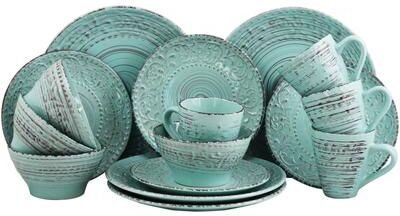
Elama Ocean Waves Turquoise 16-piece Dinnerware SetBring beachy texture to your table with the Ocean Waves dinnerware set from Elama. The turquoise stoneware set features hand-painted detailing and a sand-embossed scroll pattern. Serve up to four with the included plates, bowls, and mugs.82,39 $*Shipping: 0,00 $Secure redirect to the provider
-
Inspired Finds Tropical Ocean Shell Canvas Wall Art Summer Beach Aesthetic Print 8.27x11.81in No Frame seashell SandTurn any room into a calming escape that feels like a quiet moment by the shore. This beach wall art canvas brings the soothing tones of ocean blues and sandy textures into your space, instantly creating a relaxed, vacationinspired atmosphere....40,99 $*Shipping: 0,00 $Secure redirect to the provider
-
Perfect Picks Market Dinosaur Beach Toy Set For Kids Sensory Sand And Water Play Kit orange oceanLet your childs imagination run wild with this delightful beach toy set for kids designed for endless outdoor fun. Featuring colorful dinosaurthemed pieces, this playful kit transforms ordinary sand play into an exciting prehistoric adventure....34,97 $*Shipping: 0,00 $Secure redirect to the provider
-
What is depreciation?
Depreciation is the decrease in value of an asset over time due to wear and tear, obsolescence, or other factors. It is a method used in accounting to allocate the cost of an asset over its useful life. By recognizing depreciation expenses, a company can accurately reflect the decrease in value of its assets on its financial statements. Depreciation is important for businesses to properly account for the decrease in value of their assets and to accurately report their financial performance. **
-
What is the difference between calculated depreciation and accounting depreciation?
Calculated depreciation refers to the estimated reduction in the value of an asset over time, typically based on its useful life and salvage value. Accounting depreciation, on the other hand, is the systematic allocation of the cost of an asset to its useful life in the company's financial statements, following specific accounting rules and standards. While calculated depreciation is more of an estimation, accounting depreciation is a formal recognition of the reduction in the asset's value on the company's books. **
-
Why is the calculated depreciation lower than the accounting depreciation?
The calculated depreciation is often lower than the accounting depreciation because it is based on the asset's useful life and salvage value, while accounting depreciation may include additional factors such as tax regulations or management's discretion. Calculated depreciation follows a systematic method like straight-line or reducing balance, whereas accounting depreciation can be influenced by various accounting policies or methods chosen by the company. Additionally, accounting depreciation may consider impairment charges or revaluation of assets, leading to differences in the calculated and accounting depreciation figures. **
-
What are accumulated depreciation?
Accumulated depreciation is the total amount of depreciation expense that has been recorded for a fixed asset since it was acquired. It represents the total decrease in the value of the asset over time due to wear and tear, obsolescence, or other factors. Accumulated depreciation is a contra-asset account, meaning it is subtracted from the original cost of the asset to determine its net book value on the balance sheet. It is important for accurately reflecting the true value of the asset and for calculating depreciation expense for future periods. **
Similar search terms for Depreciation
-
Inspired Finds Tropical Ocean Shell Canvas Wall Art Summer Beach Aesthetic Print 15.75x19.69in No Frame seashell SandTurn any room into a calming escape that feels like a quiet moment by the shore. This beach wall art canvas brings the soothing tones of ocean blues and sandy textures into your space, instantly creating a relaxed, vacationinspired atmosphere....48,99 $*Shipping: 0,00 $Secure redirect to the provider
-
Inspired Finds Tropical Ocean Shell Canvas Wall Art Summer Beach Aesthetic Print 19.69x27.56in No Frame seashell SandTurn any room into a calming escape that feels like a quiet moment by the shore. This beach wall art canvas brings the soothing tones of ocean blues and sandy textures into your space, instantly creating a relaxed, vacationinspired atmosphere....54,99 $*Shipping: 0,00 $Secure redirect to the provider
-
Inspired Finds Tropical Ocean Shell Canvas Wall Art Summer Beach Aesthetic Print 11.81x15.75in No Frame seashell SandTurn any room into a calming escape that feels like a quiet moment by the shore. This beach wall art canvas brings the soothing tones of ocean blues and sandy textures into your space, instantly creating a relaxed, vacationinspired atmosphere....42,99 $*Shipping: 0,00 $Secure redirect to the provider
-
What is depreciation and what is meant by a declining balance depreciation?
Depreciation is the gradual decrease in the value of an asset over time due to wear and tear, obsolescence, or other factors. Declining balance depreciation is a method of calculating depreciation where the asset's value decreases by a fixed percentage each year. This method typically results in higher depreciation expenses in the earlier years of an asset's life and lower expenses in later years. **
-
How to calculate the depreciation of a car through straight-line depreciation?
To calculate the depreciation of a car through straight-line depreciation, you first need to determine the initial cost of the car, including any additional costs like taxes or registration fees. Next, estimate the salvage value of the car at the end of its useful life. Then, subtract the salvage value from the initial cost to find the depreciable cost. Finally, divide the depreciable cost by the number of years in the car's useful life to determine the annual depreciation expense. **
-
How do you calculate the depreciation of a car through straight-line depreciation?
To calculate the depreciation of a car through straight-line depreciation, you would first determine the initial cost of the car. Then, you would subtract the car's estimated salvage value (the amount you expect to sell the car for at the end of its useful life) from the initial cost to find the depreciable cost. Next, you would divide the depreciable cost by the number of years in the car's useful life to find the annual depreciation expense. This annual depreciation expense would be the same for each year of the car's useful life, hence the term "straight-line" depreciation. **
-
Why is the calculated depreciation lower than the depreciation in the balance sheet?
The calculated depreciation is based on the estimated useful life of the asset and the method used for depreciation, such as straight-line or reducing balance method. It may be lower than the depreciation in the balance sheet if the company has chosen a more conservative approach to depreciation in their financial statements to account for potential fluctuations in the asset's value or to comply with accounting standards. Additionally, the company may have made adjustments for impairment or changes in the asset's useful life that are not reflected in the calculated depreciation. **
* All prices are inclusive of VAT and, if applicable, plus shipping costs. The offer information is based on the details provided by the respective shop and is updated through automated processes. Real-time updates do not occur, so deviations can occur in individual cases. ** Note: Parts of this content were created by AI.