Buy coastalescapes.eu ?
We are moving the project
coastalescapes.eu .
Are you interested in purchasing the domain
coastalescapes.eu ?
domain@kv-gmbh.de · 0541-91531010
Buy coastalescapes.eu ?
How long does the blue ocean snail live?
The blue ocean snail, also known as the blue sea slug, has a relatively short lifespan of around one year. These small, colorful creatures can be found in the waters of the Pacific and Indian Oceans, where they feed on jellyfish and other small sea creatures. Despite their short lifespan, they are known for their striking appearance and interesting behavior, such as their ability to steal stinging cells from their prey and use them for their own defense. **
What kind of animals live in the Atlantic Ocean?
The Atlantic Ocean is home to a wide variety of marine animals, including fish such as tuna, swordfish, and cod, as well as marine mammals like dolphins, whales, and seals. Other animals found in the Atlantic Ocean include sharks, sea turtles, jellyfish, and various species of crustaceans and mollusks. **
Similar search terms for Live
Top-Angebote
Products related to Live:
-
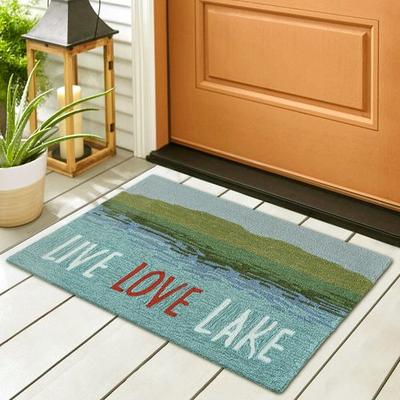
Trans Ocean Import Co Inc Live Love Lake Rectangle Mat Aqua, 36 x 24, AquaThe Live Love Lake Mat designed by Liora Manne embraces your love of serene nature. Hand-hooked and hand-tufted, the .375 thick, polyester/acrylic rug features a lovely lake scene, distant trees, and bold Live Love Lake, all in UV-protected hues of...69,99 $*Shipping: 0,00 $Secure redirect to the provider

-
Up to what age does a sand dollar live?
Sand dollars typically live for about 6-10 years, although some may live up to 15 years in the wild. Their lifespan can vary depending on factors such as predation, environmental conditions, and food availability. As they age, their skeletons become thicker and their growth slows down. Eventually, they will die and their skeletons will wash up on shore, where they may be found by beachcombers. **
-
Would you live in a house on the beach?
Yes, I would love to live in a house on the beach. The sound of the waves, the beautiful view, and the calming atmosphere would make it an ideal place to live. I would enjoy being able to walk along the shore and watch the sunset every day. Plus, the beach lifestyle would offer plenty of opportunities for outdoor activities and relaxation. **
-
How long do beach waves last?
Beach waves can last anywhere from a few hours to a couple of days, depending on your hair type and the products you use. For some people with naturally wavy or curly hair, beach waves may hold for a longer period of time. Using a good quality sea salt spray or texturizing spray can help to enhance the longevity of beach waves. Additionally, using a curling iron or wand to touch up any loose waves can help to extend the style. **
-
How expensive would it be to live near a beach?
Living near a beach can be quite expensive due to the high demand for coastal properties. The cost of living near a beach can vary depending on the location, with popular beach towns or cities typically having higher housing prices and living expenses. Additionally, property taxes, insurance, and maintenance costs can also be higher for beachfront properties. Overall, living near a beach can be a luxurious and desirable lifestyle, but it often comes with a higher price tag. **
Why am I not getting beach waves?
There could be several reasons why you are not achieving beach waves. It could be due to using the wrong styling products or tools, not using enough heat or the right technique when curling your hair, or not allowing your hair to cool and set properly after styling. Additionally, the natural texture and thickness of your hair can also affect how well it holds a curl. Experimenting with different techniques and products, as well as seeking advice from a professional stylist, may help you achieve the beach waves you desire. **
When did researchers succeed in discovering internal ocean waves?
Researchers succeeded in discovering internal ocean waves in the 1970s. Using satellite imagery and oceanographic instruments, scientists were able to observe and measure these waves, which are caused by the interaction of tides and underwater topography. This discovery has since led to a better understanding of ocean dynamics and their impact on marine ecosystems. **
Top-Angebote
Products related to Live:
-
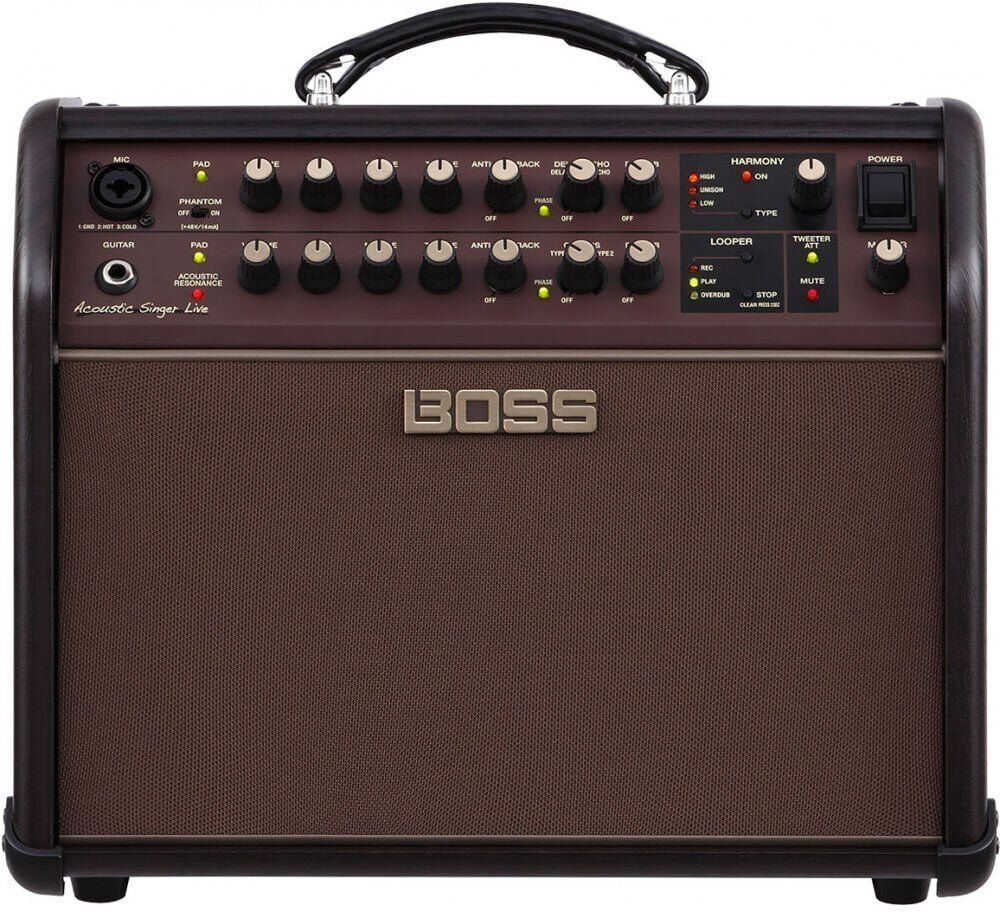
Boss ACS-LIVE Acoustic Singer Live 60W Acoustic Amplifier Original - RefurbishedDer Boss ACS-LIVE Acoustic Singer Live bringt die akustische Bühne auf neue Ebenen der Klangqualität und kreativen Vielseitigkeit. Die Acoustic Singer Live bringt die akustische Bühne auf neue Ebenen der Klangqualität und kreativen Vielseitigkeit. Mit den neuesten Fortschritten von BOSS in der Verstärkerforschung erzeugt dieses kompakte Kraftpaket einen reichen, lebendigen Klang mit unübertroffenem Stempel und Klarheit. Unabhängige Kanäle sind für akustische Gitarre und Gesang vorgesehen und sind jeweils mit diskreten analogen Eingangsschaltungen und Dreiband-EQ für Sound in Studioqualität ausgestattet. Und mit zusätzlichen Funktionen wie Acoustic Resonance, Looping, automatischen Stimmharmonien, Effekten und vielem mehr bietet der Acoustic Singer Live akustischen Musikern alles, was sie brauchen, um inspirierende und wirkungsvolle Live-Auftritte zu liefern. Merkmale • Professioneller akustischer Verstärker mit Premium-Sound und Features • 60-Watt-Bi-Ampere-Design mit maßgeschneidertem 6,5-Zoll-Woofer und Dome-Hochtöner • Dual-Kanäle mit diskreter analoger Eingangselektronik und Dreiband-EQ • Dedizierter Gitarrenkanal mit akustischer Resonanz zur Wiederherstellung des natürlichen Tons für Bühnengitarren mit Piezo-Pickups • Mic-Kanal mit Phantom-Power und 1⁄4-Zoll / XLR-Combo-Eingang zum Anschluss eines Vokal- / Gitarrenmikrofons oder einer zweiten Instrumentenquelle • Chorus-Effekt auf dem Gitarrenkanal, Delay/Echo-Effekt auf dem Mikrofonkanal und unabhängiges Reverb auf beiden Kanälen • Harmony-Funktion erzeugt automatisch glatte und genaue Stimmharmonien durch Echtzeit-Tasten- / Akkordanalyse der Gitarreninp567,00 £*Shipping: 0,00 £Secure redirect to the provider
-
Trans Ocean Import Co Inc Live Love Lake Rectangle Mat Aqua, 30 x 20, AquaThe Live Love Lake Mat designed by Liora Manne embraces your love of serene nature. Hand-hooked and hand-tufted, the .375 thick, polyester/acrylic rug features a lovely lake scene, distant trees, and bold Live Love Lake, all in UV-protected hues of...49,99 $*Shipping: 0,00 $Secure redirect to the provider
-
Trans Ocean Import Co Inc Live Love Lake Rectangle Mat Aqua, 36 x 24, AquaThe Live Love Lake Mat designed by Liora Manne embraces your love of serene nature. Hand-hooked and hand-tufted, the .375 thick, polyester/acrylic rug features a lovely lake scene, distant trees, and bold Live Love Lake, all in UV-protected hues of...69,99 $*Shipping: 0,00 $Secure redirect to the provider
-
How long does the blue ocean snail live?
The blue ocean snail, also known as the blue sea slug, has a relatively short lifespan of around one year. These small, colorful creatures can be found in the waters of the Pacific and Indian Oceans, where they feed on jellyfish and other small sea creatures. Despite their short lifespan, they are known for their striking appearance and interesting behavior, such as their ability to steal stinging cells from their prey and use them for their own defense. **
-
What kind of animals live in the Atlantic Ocean?
The Atlantic Ocean is home to a wide variety of marine animals, including fish such as tuna, swordfish, and cod, as well as marine mammals like dolphins, whales, and seals. Other animals found in the Atlantic Ocean include sharks, sea turtles, jellyfish, and various species of crustaceans and mollusks. **
-
Up to what age does a sand dollar live?
Sand dollars typically live for about 6-10 years, although some may live up to 15 years in the wild. Their lifespan can vary depending on factors such as predation, environmental conditions, and food availability. As they age, their skeletons become thicker and their growth slows down. Eventually, they will die and their skeletons will wash up on shore, where they may be found by beachcombers. **
-
Would you live in a house on the beach?
Yes, I would love to live in a house on the beach. The sound of the waves, the beautiful view, and the calming atmosphere would make it an ideal place to live. I would enjoy being able to walk along the shore and watch the sunset every day. Plus, the beach lifestyle would offer plenty of opportunities for outdoor activities and relaxation. **
Similar search terms for Live
-
How long do beach waves last?
Beach waves can last anywhere from a few hours to a couple of days, depending on your hair type and the products you use. For some people with naturally wavy or curly hair, beach waves may hold for a longer period of time. Using a good quality sea salt spray or texturizing spray can help to enhance the longevity of beach waves. Additionally, using a curling iron or wand to touch up any loose waves can help to extend the style. **
-
How expensive would it be to live near a beach?
Living near a beach can be quite expensive due to the high demand for coastal properties. The cost of living near a beach can vary depending on the location, with popular beach towns or cities typically having higher housing prices and living expenses. Additionally, property taxes, insurance, and maintenance costs can also be higher for beachfront properties. Overall, living near a beach can be a luxurious and desirable lifestyle, but it often comes with a higher price tag. **
-
Why am I not getting beach waves?
There could be several reasons why you are not achieving beach waves. It could be due to using the wrong styling products or tools, not using enough heat or the right technique when curling your hair, or not allowing your hair to cool and set properly after styling. Additionally, the natural texture and thickness of your hair can also affect how well it holds a curl. Experimenting with different techniques and products, as well as seeking advice from a professional stylist, may help you achieve the beach waves you desire. **
-
When did researchers succeed in discovering internal ocean waves?
Researchers succeeded in discovering internal ocean waves in the 1970s. Using satellite imagery and oceanographic instruments, scientists were able to observe and measure these waves, which are caused by the interaction of tides and underwater topography. This discovery has since led to a better understanding of ocean dynamics and their impact on marine ecosystems. **
* All prices are inclusive of VAT and, if applicable, plus shipping costs. The offer information is based on the details provided by the respective shop and is updated through automated processes. Real-time updates do not occur, so deviations can occur in individual cases. ** Note: Parts of this content were created by AI.