Buy coastalescapes.eu ?
We are moving the project
coastalescapes.eu .
Are you interested in purchasing the domain
coastalescapes.eu ?
domain@kv-gmbh.de · 0541-91531010
Buy coastalescapes.eu ?
How do you plant cacti in sand?
To plant cacti in sand, start by choosing a well-draining pot with a drainage hole at the bottom. Fill the pot with a cactus-specific potting mix or a sandy soil mix. Dig a hole in the soil mix and place the cactus in it, making sure the roots are spread out. Gently pack the soil around the cactus and water sparingly, allowing the soil to dry out between waterings. Place the pot in a sunny location to ensure the cactus receives enough light. **
What is the difference between an ocean current power plant and a tidal power plant?
An ocean current power plant harnesses the kinetic energy of ocean currents, which are continuous and steady flows of water in a particular direction. Tidal power plants, on the other hand, capture the energy from the rise and fall of tides caused by the gravitational pull of the moon and the sun. Ocean current power plants are typically located in deep ocean waters, while tidal power plants are often situated in coastal areas where tides are strong. Additionally, ocean current power plants generate electricity from the horizontal movement of water, while tidal power plants generate electricity from the vertical movement of water. **

Similar search terms for Plant
Top-Angebote
Products related to Plant:
-
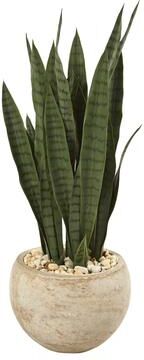
Nearly Natural "32"" Sansevieria Artificial Plant in Sand Colored Planter"Inject some serious greenery into bare interiors with this artificial plant boasting a lush collection of thick sansevieria leaves in naturally occurring hues that naturally fan upwards with a lifelike quality.169,99 $*Shipping: 0,00 $Secure redirect to the provider
-
Nearly Natural "40"" Sansevieria Artificial Plant in Sand Colored Planter - 12.5"""ZZZ… no one will know your secret with this Artificial plant. The waxy, variegated leaves, resemble the real one's intricate detailing that is unique to the Sansevieria.187,99 $*Shipping: 0,00 $Secure redirect to the provider
-
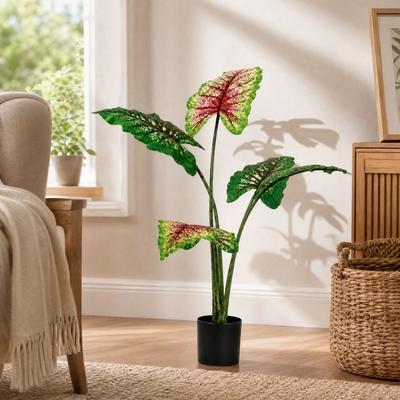
YVANLA Artificial Plant Fake Caladium Plant PottedLifelike Decorative Potted Greenery for Modern Living Spaces Bring natural greenery into your space with this Artificial Plant Tree, available in Bird of Paradise, Areca Palm, Monstera, Olive Tree, and Fiddle Leaf Fig styles.76,99 $*Shipping: 0,00 $Secure redirect to the provider
-
YVANLA Artificial Plant Fake Caladium Plant PottedLifelike Decorative Potted Greenery for Modern Living Spaces Bring natural greenery into your space with this Artificial Plant Tree, available in Bird of Paradise, Areca Palm, Monstera, Olive Tree, and Fiddle Leaf Fig styles.79,49 $*Shipping: 0,00 $Secure redirect to the provider


-
How do you plant aquarium plants in sand?
When planting aquarium plants in sand, it's important to gently push the plant's roots into the sand, making sure not to bury the plant too deeply. It's also helpful to use plant weights or anchors to keep the plants in place until they establish their roots. Additionally, adding a nutrient-rich substrate or using root tabs can provide essential nutrients for the plants to thrive in the sand. Finally, be mindful of the plant's lighting and water requirements to ensure they have the best chance of success in a sand substrate. **
-
What are proposed solutions for automating a sand filling plant?
Proposed solutions for automating a sand filling plant include implementing conveyor belt systems to transport sand from one location to another, using sensors and automation technology to monitor and control the flow of sand, installing robotic arms or machinery to handle the filling and packaging of sand bags, and integrating a centralized control system to manage the entire filling process. Additionally, the use of advanced software and data analytics can help optimize the efficiency and productivity of the plant by identifying bottlenecks and streamlining operations. Overall, automating a sand filling plant can improve accuracy, reduce labor costs, and increase overall production output. **
-
What are proposed solutions for automation in a sand filling plant?
Proposed solutions for automation in a sand filling plant include implementing conveyor systems to transport sand efficiently, using sensors and robotics for accurate measurement and filling of sand, integrating software for real-time monitoring and control of the filling process, and incorporating automated quality control systems to ensure the consistency and quality of the filled sand. These automation solutions can help increase productivity, reduce manual labor, minimize errors, and improve overall efficiency in the sand filling plant. **
-
Why does a plant freeze faster in sand than in soil?
A plant freezes faster in sand than in soil because sand has lower water content and higher thermal conductivity. This means that sand can transfer heat away from the plant more efficiently, causing it to freeze faster. In contrast, soil has higher water content and lower thermal conductivity, which slows down the freezing process. Therefore, a plant in sand is more susceptible to freezing due to the faster heat transfer. **
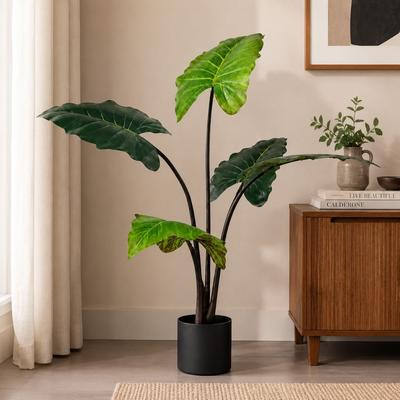
How can I repot a plant using sand from the playground?
To repot a plant using sand from the playground, you should first ensure that the sand is clean and free from any contaminants. Then, mix the playground sand with potting soil in a 1:1 ratio to create a well-draining mixture for the plant. Carefully remove the plant from its current pot, gently shake off excess soil, and place it in the new mixture of sand and potting soil. Water the plant thoroughly after repotting to help it adjust to its new environment. Keep in mind that not all plants thrive in sandy soil, so it's important to choose the right type of plant for this repotting method. **
Is my plant a spider plant?
I'm an AI and I don't have the ability to see your plant. However, spider plants are characterized by their long, arching leaves with white stripes. They also produce small white flowers and baby plantlets that dangle from the mother plant. If your plant matches these descriptions, it is likely a spider plant. If you're still unsure, you can search for images of spider plants online to compare with your plant. **
Top-Angebote
Products related to Plant:
-
Uplift Essentials Natural Plant Fruit Essential Oil (10 Ml) oceanTransform your environment with the vibrant, sunripened scents of our Professional Natural Fruit Essential Oils. Crafted through advanced steam distillation and coldpress extraction, these highpurity oils capture the true essence of fresh...34,97 $*Shipping: 0,00 $Secure redirect to the provider
-
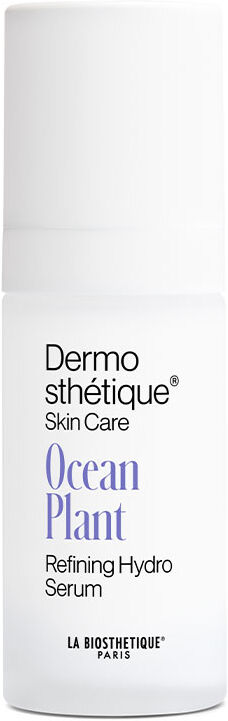
La Biosthetique La Biostethique Ocean Plant Refining Hydro Serum 30mlLa Biostethique Ocean Plant Refining Hydro Serum conditions and relaxes the skin while supplying it with new energy. This serum contains plant taurine obtained from the algae Jania Rubens, which boosts the cell energy and wakes up tired facial features. Special plant organisms from the sea reboost the microcirculation of the blood capillaries, which gives the complexion a rosy, fresh glow. A postbiotic active ingredient from plant plankton strengthens the skin barrier, refines the pores and reduces blemishes, leaving the tired skin refreshed, wonderfully unstressed and full of vitality. Ingredients: Aqua (Water), Sqaulane, Glycerin, Cetearyl Alcohol, Caprylic/ Capric Triglyceride, Cetearyl, Ethylhexanoate, Glyceryl, Stearate, Sodium Lauroyl, Glutamate, Stearic Acid, Saccharide Isomerate*, Jania Rubens Extract*, Caesalpiniaspinosa Gum, Isopropyl Myristate, Sodium Carrageenan, Ethylhexylglycerin, Citric Acid, Phenoxyethanol, Benzoic Acid, Dehydroacetic Acid, Sodium Benzoate, Parfum (Fragrance) *Ocean Plant94,50 £*Shipping: 0,00 £Secure redirect to the provider
-
Nearly Natural "32"" Sansevieria Artificial Plant in Sand Colored Planter"Inject some serious greenery into bare interiors with this artificial plant boasting a lush collection of thick sansevieria leaves in naturally occurring hues that naturally fan upwards with a lifelike quality.169,99 $*Shipping: 0,00 $Secure redirect to the provider
-
Nearly Natural "40"" Sansevieria Artificial Plant in Sand Colored Planter - 12.5"""ZZZ… no one will know your secret with this Artificial plant. The waxy, variegated leaves, resemble the real one's intricate detailing that is unique to the Sansevieria.187,99 $*Shipping: 0,00 $Secure redirect to the provider
-
How do you plant cacti in sand?
To plant cacti in sand, start by choosing a well-draining pot with a drainage hole at the bottom. Fill the pot with a cactus-specific potting mix or a sandy soil mix. Dig a hole in the soil mix and place the cactus in it, making sure the roots are spread out. Gently pack the soil around the cactus and water sparingly, allowing the soil to dry out between waterings. Place the pot in a sunny location to ensure the cactus receives enough light. **
-
What is the difference between an ocean current power plant and a tidal power plant?
An ocean current power plant harnesses the kinetic energy of ocean currents, which are continuous and steady flows of water in a particular direction. Tidal power plants, on the other hand, capture the energy from the rise and fall of tides caused by the gravitational pull of the moon and the sun. Ocean current power plants are typically located in deep ocean waters, while tidal power plants are often situated in coastal areas where tides are strong. Additionally, ocean current power plants generate electricity from the horizontal movement of water, while tidal power plants generate electricity from the vertical movement of water. **
-
How do you plant aquarium plants in sand?
When planting aquarium plants in sand, it's important to gently push the plant's roots into the sand, making sure not to bury the plant too deeply. It's also helpful to use plant weights or anchors to keep the plants in place until they establish their roots. Additionally, adding a nutrient-rich substrate or using root tabs can provide essential nutrients for the plants to thrive in the sand. Finally, be mindful of the plant's lighting and water requirements to ensure they have the best chance of success in a sand substrate. **
-
What are proposed solutions for automating a sand filling plant?
Proposed solutions for automating a sand filling plant include implementing conveyor belt systems to transport sand from one location to another, using sensors and automation technology to monitor and control the flow of sand, installing robotic arms or machinery to handle the filling and packaging of sand bags, and integrating a centralized control system to manage the entire filling process. Additionally, the use of advanced software and data analytics can help optimize the efficiency and productivity of the plant by identifying bottlenecks and streamlining operations. Overall, automating a sand filling plant can improve accuracy, reduce labor costs, and increase overall production output. **
Similar search terms for Plant
-
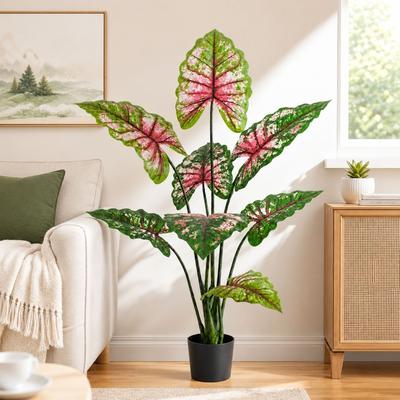
YVANLA Artificial Plant Fake Caladium Plant PottedLifelike Decorative Potted Greenery for Modern Living Spaces Bring natural greenery into your space with this Artificial Plant Tree, available in Bird of Paradise, Areca Palm, Monstera, Olive Tree, and Fiddle Leaf Fig styles.76,99 $*Shipping: 0,00 $Secure redirect to the provider
-
YVANLA Artificial Plant Fake Caladium Plant PottedLifelike Decorative Potted Greenery for Modern Living Spaces Bring natural greenery into your space with this Artificial Plant Tree, available in Bird of Paradise, Areca Palm, Monstera, Olive Tree, and Fiddle Leaf Fig styles.79,49 $*Shipping: 0,00 $Secure redirect to the provider
-
YVANLA Artificial Plant Fake Caladium Plant PottedLifelike Decorative Potted Greenery for Modern Living Spaces Bring natural greenery into your space with this Artificial Plant Tree, available in Bird of Paradise, Areca Palm, Monstera, Olive Tree, and Fiddle Leaf Fig styles.93,49 $*Shipping: 0,00 $Secure redirect to the provider
-
YVANLA Artificial Plant Fake Caladium Plant PottedLifelike Decorative Potted Greenery for Modern Living Spaces Bring natural greenery into your space with this Artificial Plant Tree, available in Bird of Paradise, Areca Palm, Monstera, Olive Tree, and Fiddle Leaf Fig styles.71,99 $*Shipping: 0,00 $Secure redirect to the provider
-
What are proposed solutions for automation in a sand filling plant?
Proposed solutions for automation in a sand filling plant include implementing conveyor systems to transport sand efficiently, using sensors and robotics for accurate measurement and filling of sand, integrating software for real-time monitoring and control of the filling process, and incorporating automated quality control systems to ensure the consistency and quality of the filled sand. These automation solutions can help increase productivity, reduce manual labor, minimize errors, and improve overall efficiency in the sand filling plant. **
-
Why does a plant freeze faster in sand than in soil?
A plant freezes faster in sand than in soil because sand has lower water content and higher thermal conductivity. This means that sand can transfer heat away from the plant more efficiently, causing it to freeze faster. In contrast, soil has higher water content and lower thermal conductivity, which slows down the freezing process. Therefore, a plant in sand is more susceptible to freezing due to the faster heat transfer. **
-
How can I repot a plant using sand from the playground?
To repot a plant using sand from the playground, you should first ensure that the sand is clean and free from any contaminants. Then, mix the playground sand with potting soil in a 1:1 ratio to create a well-draining mixture for the plant. Carefully remove the plant from its current pot, gently shake off excess soil, and place it in the new mixture of sand and potting soil. Water the plant thoroughly after repotting to help it adjust to its new environment. Keep in mind that not all plants thrive in sandy soil, so it's important to choose the right type of plant for this repotting method. **
-
Is my plant a spider plant?
I'm an AI and I don't have the ability to see your plant. However, spider plants are characterized by their long, arching leaves with white stripes. They also produce small white flowers and baby plantlets that dangle from the mother plant. If your plant matches these descriptions, it is likely a spider plant. If you're still unsure, you can search for images of spider plants online to compare with your plant. **
* All prices are inclusive of VAT and, if applicable, plus shipping costs. The offer information is based on the details provided by the respective shop and is updated through automated processes. Real-time updates do not occur, so deviations can occur in individual cases. ** Note: Parts of this content were created by AI.