Buy coastalescapes.eu ?
We are moving the project
coastalescapes.eu .
Are you interested in purchasing the domain
coastalescapes.eu ?
domain@kv-gmbh.de · 0541-91531010
Buy coastalescapes.eu ?
What is the result of decanting in chemistry?
Decanting in chemistry refers to the process of carefully pouring off a liquid from a mixture, leaving the solid particles behind. This technique is commonly used to separate a solid-liquid mixture, suchjson as sand and water, or to separate immiscible liquids, such as oil and water. The result of decanting is the separation of the components of the mixture, with the liquid being poured off into a separate container, leaving the solid particles or immiscible liquid behind. **
What is the difference between the following options: Pouring and Decanting?
Pouring is the act of transferring liquid from one container to another, typically done in a casual or informal manner. Decanting, on the other hand, is a more deliberate and controlled process of pouring liquid from one vessel to another, often done to separate sediment or aerate the liquid. Decanting is usually done more slowly and carefully to ensure that only the clear liquid is transferred, while pouring may be done more quickly and without as much precision. **


Similar search terms for Decanting
Top-Angebote
Products related to Decanting:
-
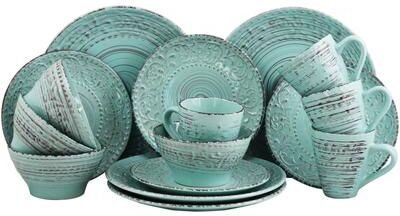
Elama Ocean Waves Turquoise 16-piece Dinnerware SetBring beachy texture to your table with the Ocean Waves dinnerware set from Elama. The turquoise stoneware set features hand-painted detailing and a sand-embossed scroll pattern. Serve up to four with the included plates, bowls, and mugs.82,39 $*Shipping: 0,00 $Secure redirect to the provider
-
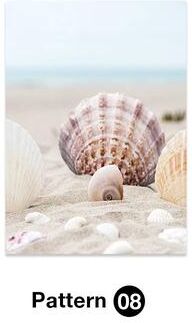
Inspired Finds Tropical Ocean Shell Canvas Wall Art Summer Beach Aesthetic Print 7.87x9.84in No Frame seashell SandTurn any room into a calming escape that feels like a quiet moment by the shore. This beach wall art canvas brings the soothing tones of ocean blues and sandy textures into your space, instantly creating a relaxed, vacationinspired atmosphere....39,99 $*Shipping: 0,00 $Secure redirect to the provider


-
What are the separating characteristics of evaporation, decanting, filtering, and sedimentation?
Evaporation involves the conversion of a liquid into a gas, leaving behind any dissolved solids. Decanting is the process of carefully pouring off the liquid portion of a mixture, leaving the solid particles behind. Filtering involves passing a mixture through a barrier that allows the liquid to pass through while trapping the solid particles. Sedimentation is the process of allowing solid particles to settle at the bottom of a container due to gravity, separating them from the liquid portion of the mixture. **
-
How long do beach waves last?
Beach waves can last anywhere from a few hours to a couple of days, depending on your hair type and the products you use. For some people with naturally wavy or curly hair, beach waves may hold for a longer period of time. Using a good quality sea salt spray or texturizing spray can help to enhance the longevity of beach waves. Additionally, using a curling iron or wand to touch up any loose waves can help to extend the style. **
-
Why am I not getting beach waves?
There could be several reasons why you are not achieving beach waves. It could be due to using the wrong styling products or tools, not using enough heat or the right technique when curling your hair, or not allowing your hair to cool and set properly after styling. Additionally, the natural texture and thickness of your hair can also affect how well it holds a curl. Experimenting with different techniques and products, as well as seeking advice from a professional stylist, may help you achieve the beach waves you desire. **
-
When did researchers succeed in discovering internal ocean waves?
Researchers succeeded in discovering internal ocean waves in the 1970s. Using satellite imagery and oceanographic instruments, scientists were able to observe and measure these waves, which are caused by the interaction of tides and underwater topography. This discovery has since led to a better understanding of ocean dynamics and their impact on marine ecosystems. **

When did researchers manage to discover internal ocean waves?
Researchers managed to discover internal ocean waves in the mid-19th century. The first observations of internal waves were made by the British Royal Navy in the Strait of Gibraltar in the 1840s. Since then, advancements in technology and oceanographic research have allowed scientists to better understand the formation and behavior of these waves within the ocean. **
How can I create beach waves in my hair?
To create beach waves in your hair, start by applying a texturizing spray or mousse to damp hair. Next, divide your hair into sections and twist each section away from your face. Use a hair dryer to heat each twisted section for a few seconds, then let it cool before releasing the twist. Finally, tousle your hair with your fingers and finish with a light-hold hairspray for a natural, beachy look. **
Top-Angebote
Products related to Decanting:
-
Elama Ocean Waves Turquoise 16-piece Dinnerware SetBring beachy texture to your table with the Ocean Waves dinnerware set from Elama. The turquoise stoneware set features hand-painted detailing and a sand-embossed scroll pattern. Serve up to four with the included plates, bowls, and mugs.82,39 $*Shipping: 0,00 $Secure redirect to the provider
-
Inspired Finds Tropical Ocean Shell Canvas Wall Art Summer Beach Aesthetic Print 7.87x9.84in No Frame seashell SandTurn any room into a calming escape that feels like a quiet moment by the shore. This beach wall art canvas brings the soothing tones of ocean blues and sandy textures into your space, instantly creating a relaxed, vacationinspired atmosphere....39,99 $*Shipping: 0,00 $Secure redirect to the provider
-
What is the result of decanting in chemistry?
Decanting in chemistry refers to the process of carefully pouring off a liquid from a mixture, leaving the solid particles behind. This technique is commonly used to separate a solid-liquid mixture, suchjson as sand and water, or to separate immiscible liquids, such as oil and water. The result of decanting is the separation of the components of the mixture, with the liquid being poured off into a separate container, leaving the solid particles or immiscible liquid behind. **
-
What is the difference between the following options: Pouring and Decanting?
Pouring is the act of transferring liquid from one container to another, typically done in a casual or informal manner. Decanting, on the other hand, is a more deliberate and controlled process of pouring liquid from one vessel to another, often done to separate sediment or aerate the liquid. Decanting is usually done more slowly and carefully to ensure that only the clear liquid is transferred, while pouring may be done more quickly and without as much precision. **
-
What are the separating characteristics of evaporation, decanting, filtering, and sedimentation?
Evaporation involves the conversion of a liquid into a gas, leaving behind any dissolved solids. Decanting is the process of carefully pouring off the liquid portion of a mixture, leaving the solid particles behind. Filtering involves passing a mixture through a barrier that allows the liquid to pass through while trapping the solid particles. Sedimentation is the process of allowing solid particles to settle at the bottom of a container due to gravity, separating them from the liquid portion of the mixture. **
-
How long do beach waves last?
Beach waves can last anywhere from a few hours to a couple of days, depending on your hair type and the products you use. For some people with naturally wavy or curly hair, beach waves may hold for a longer period of time. Using a good quality sea salt spray or texturizing spray can help to enhance the longevity of beach waves. Additionally, using a curling iron or wand to touch up any loose waves can help to extend the style. **
Similar search terms for Decanting
-
Inspired Finds Tropical Ocean Shell Canvas Wall Art Summer Beach Aesthetic Print 19.69x27.56in No Frame seashell SandTurn any room into a calming escape that feels like a quiet moment by the shore. This beach wall art canvas brings the soothing tones of ocean blues and sandy textures into your space, instantly creating a relaxed, vacationinspired atmosphere....54,99 $*Shipping: 0,00 $Secure redirect to the provider
-
Why am I not getting beach waves?
There could be several reasons why you are not achieving beach waves. It could be due to using the wrong styling products or tools, not using enough heat or the right technique when curling your hair, or not allowing your hair to cool and set properly after styling. Additionally, the natural texture and thickness of your hair can also affect how well it holds a curl. Experimenting with different techniques and products, as well as seeking advice from a professional stylist, may help you achieve the beach waves you desire. **
-
When did researchers succeed in discovering internal ocean waves?
Researchers succeeded in discovering internal ocean waves in the 1970s. Using satellite imagery and oceanographic instruments, scientists were able to observe and measure these waves, which are caused by the interaction of tides and underwater topography. This discovery has since led to a better understanding of ocean dynamics and their impact on marine ecosystems. **
-
When did researchers manage to discover internal ocean waves?
Researchers managed to discover internal ocean waves in the mid-19th century. The first observations of internal waves were made by the British Royal Navy in the Strait of Gibraltar in the 1840s. Since then, advancements in technology and oceanographic research have allowed scientists to better understand the formation and behavior of these waves within the ocean. **
-
How can I create beach waves in my hair?
To create beach waves in your hair, start by applying a texturizing spray or mousse to damp hair. Next, divide your hair into sections and twist each section away from your face. Use a hair dryer to heat each twisted section for a few seconds, then let it cool before releasing the twist. Finally, tousle your hair with your fingers and finish with a light-hold hairspray for a natural, beachy look. **
* All prices are inclusive of VAT and, if applicable, plus shipping costs. The offer information is based on the details provided by the respective shop and is updated through automated processes. Real-time updates do not occur, so deviations can occur in individual cases. ** Note: Parts of this content were created by AI.