Buy coastalescapes.eu ?
We are moving the project
coastalescapes.eu .
Are you interested in purchasing the domain
coastalescapes.eu ?
domain@kv-gmbh.de · 0541-91531010
Buy coastalescapes.eu ?
Which sand is used as impact protection?
Silica sand is commonly used as impact protection in various applications. This type of sand is known for its hardness and resistance to wear, making it ideal for absorbing impact and providing a cushioning effect. Silica sand is often used in playgrounds, sports fields, and other areas where impact protection is needed to help reduce the risk of injuries. **
Could one have witnessed the impact of the Titanic hitting the ocean floor?
No, it would not have been possible to witness the impact of the Titanic hitting the ocean floor. The Titanic sank in 1912, and the technology to reach the ocean floor did not exist at that time. It wasn't until 1985 that the wreck of the Titanic was discovered, and even then, it was located at a depth of about 12,500 feet, which is far beyond the reach of human divers. Therefore, no one could have witnessed the actual impact of the Titanic hitting the ocean floor. **

Similar search terms for Impact
Top-Angebote
Products related to Impact:
-
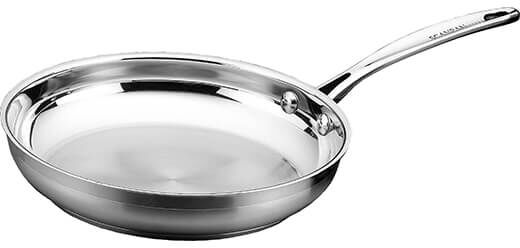
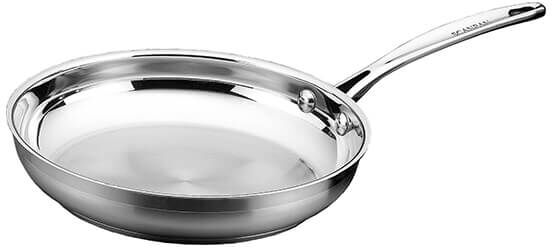
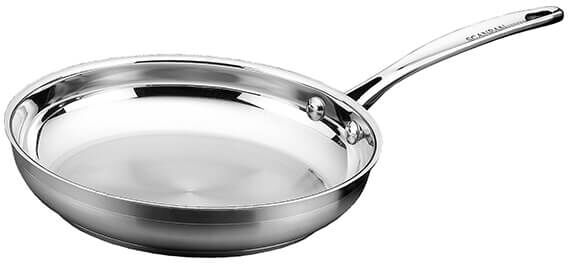
Scanpan Impact 24cm Frying PanThe Scanpan Impact 24cm Frying Pan is made from high quality 18/10 stainless steel for strength and durability. Suitable for use on all heat sources (including induction), this Impact frying pan is also oven proof up to 260°C. The thick 6.4mm sandwich base has an aluminium core to provide excellent heat distribution. As well as looking stylish thanks to its two-tone stainless steel finish, this Impact frying pan features a cast stainless steel handle to prevent transfer and a drip-free rim. This Scanpan Impact 24cm frying pan has a base diameter of 18.5cm and weighs 1kg. Dishwasher safe, this Scanpan frying pan is supplied with a 10 year warranty against manufacturing defects.62,10 £*Shipping: 0,00 £Secure redirect to the provider
-
Scanpan Impact 26cm Frying PanThe Scanpan Impact 26cm Frying Pan is made from high quality 18/10 stainless steel for strength and durability. Suitable for use on all heat sources (including induction), this Impact frying pan is also oven proof up to 260°C. The thick 6.4mm sandwich base has an aluminium core to provide excellent heat distribution. As well as looking stylish thanks to its two-tone stainless steel finish, this Impact frying pan features a cast stainless steel handle to prevent transfer and a drip-free rim. This Scanpan Impact 26cm frying pan has a base diameter of 20.4cm and weighs 1.2kg. Dishwasher safe, this Scanpan frying pan is supplied with a 10 year warranty against manufacturing defects.66,60 £*Shipping: 0,00 £Secure redirect to the provider
-
Scanpan Impact 28cm Frying PanThe Scanpan Impact 28cm Frying Pan is made from high quality 18/10 stainless steel for strength and durability. Suitable for use on all heat sources (including induction), this Impact frying pan is also oven proof up to 260°C. The thick 6.4mm sandwich base has an aluminium core to provide excellent heat distribution. As well as looking stylish thanks to its two-tone stainless steel finish, this Impact frying pan features a cast stainless steel handle to prevent transfer and a drip-free rim. This Scanpan Impact 28cm frying pan has a base diameter of 22.1cm and weighs 1.35kg. Dishwasher safe, this Scanpan frying pan is supplied with a 10 year warranty against manufacturing defects.71,10 £*Shipping: 0,00 £Secure redirect to the provider


-
What are the impact velocity and impact angle?
The impact velocity is the speed at which an object hits another object or surface. It is measured in units of distance per time, such as meters per second. The impact angle is the angle at which the object strikes the surface or another object. It is measured in degrees and can affect the outcome of the impact, such as the direction of the rebound or the amount of damage caused. Both the impact velocity and impact angle are important factors in determining the result of a collision or impact event. **
-
How long do beach waves last?
Beach waves can last anywhere from a few hours to a couple of days, depending on your hair type and the products you use. For some people with naturally wavy or curly hair, beach waves may hold for a longer period of time. Using a good quality sea salt spray or texturizing spray can help to enhance the longevity of beach waves. Additionally, using a curling iron or wand to touch up any loose waves can help to extend the style. **
-
What are the effects of impact velocity and impact angle?
The impact velocity and impact angle both play a significant role in determining the outcome of a collision. A higher impact velocity generally results in more damage and deformation to the objects involved in the collision. The impact angle also affects the distribution of forces during the collision, impacting the direction and magnitude of the resulting forces. Together, these factors can determine the severity of damage, the likelihood of rebound or deflection, and the overall energy transfer during the collision. **
-
Why am I not getting beach waves?
There could be several reasons why you are not achieving beach waves. It could be due to using the wrong styling products or tools, not using enough heat or the right technique when curling your hair, or not allowing your hair to cool and set properly after styling. Additionally, the natural texture and thickness of your hair can also affect how well it holds a curl. Experimenting with different techniques and products, as well as seeking advice from a professional stylist, may help you achieve the beach waves you desire. **
When did researchers succeed in discovering internal ocean waves?
Researchers succeeded in discovering internal ocean waves in the 1970s. Using satellite imagery and oceanographic instruments, scientists were able to observe and measure these waves, which are caused by the interaction of tides and underwater topography. This discovery has since led to a better understanding of ocean dynamics and their impact on marine ecosystems. **
When did researchers manage to discover internal ocean waves?
Researchers managed to discover internal ocean waves in the mid-19th century. The first observations of internal waves were made by the British Royal Navy in the Strait of Gibraltar in the 1840s. Since then, advancements in technology and oceanographic research have allowed scientists to better understand the formation and behavior of these waves within the ocean. **
Top-Angebote
Products related to Impact:
-
Scanpan Impact 20cm Frying PanThe Scanpan Impact 20cm Frying Pan is made from high quality 18/10 stainless steel for strength and durability. Suitable for use on all heat sources (including induction), this Impact frying pan is also oven proof up to 260°C. The thick 6.4mm sandwich base has an aluminium core to provide excellent heat distribution. As well as looking stylish thanks to its two-tone stainless steel finish, this Impact frying pan features a cast stainless steel handle to prevent transfer and a drip-free rim. This Scanpan Impact 20cm frying pan has a base diameter of 14.4cm and weighs 0.71kg. Dishwasher safe, this Scanpan frying pan is supplied with a 10 year warranty against manufacturing defects.57,60 £*Shipping: 0,00 £Secure redirect to the provider
-
Scanpan Impact 24cm Frying PanThe Scanpan Impact 24cm Frying Pan is made from high quality 18/10 stainless steel for strength and durability. Suitable for use on all heat sources (including induction), this Impact frying pan is also oven proof up to 260°C. The thick 6.4mm sandwich base has an aluminium core to provide excellent heat distribution. As well as looking stylish thanks to its two-tone stainless steel finish, this Impact frying pan features a cast stainless steel handle to prevent transfer and a drip-free rim. This Scanpan Impact 24cm frying pan has a base diameter of 18.5cm and weighs 1kg. Dishwasher safe, this Scanpan frying pan is supplied with a 10 year warranty against manufacturing defects.62,10 £*Shipping: 0,00 £Secure redirect to the provider
-
Scanpan Impact 26cm Frying PanThe Scanpan Impact 26cm Frying Pan is made from high quality 18/10 stainless steel for strength and durability. Suitable for use on all heat sources (including induction), this Impact frying pan is also oven proof up to 260°C. The thick 6.4mm sandwich base has an aluminium core to provide excellent heat distribution. As well as looking stylish thanks to its two-tone stainless steel finish, this Impact frying pan features a cast stainless steel handle to prevent transfer and a drip-free rim. This Scanpan Impact 26cm frying pan has a base diameter of 20.4cm and weighs 1.2kg. Dishwasher safe, this Scanpan frying pan is supplied with a 10 year warranty against manufacturing defects.66,60 £*Shipping: 0,00 £Secure redirect to the provider
-
Which sand is used as impact protection?
Silica sand is commonly used as impact protection in various applications. This type of sand is known for its hardness and resistance to wear, making it ideal for absorbing impact and providing a cushioning effect. Silica sand is often used in playgrounds, sports fields, and other areas where impact protection is needed to help reduce the risk of injuries. **
-
Could one have witnessed the impact of the Titanic hitting the ocean floor?
No, it would not have been possible to witness the impact of the Titanic hitting the ocean floor. The Titanic sank in 1912, and the technology to reach the ocean floor did not exist at that time. It wasn't until 1985 that the wreck of the Titanic was discovered, and even then, it was located at a depth of about 12,500 feet, which is far beyond the reach of human divers. Therefore, no one could have witnessed the actual impact of the Titanic hitting the ocean floor. **
-
What are the impact velocity and impact angle?
The impact velocity is the speed at which an object hits another object or surface. It is measured in units of distance per time, such as meters per second. The impact angle is the angle at which the object strikes the surface or another object. It is measured in degrees and can affect the outcome of the impact, such as the direction of the rebound or the amount of damage caused. Both the impact velocity and impact angle are important factors in determining the result of a collision or impact event. **
-
How long do beach waves last?
Beach waves can last anywhere from a few hours to a couple of days, depending on your hair type and the products you use. For some people with naturally wavy or curly hair, beach waves may hold for a longer period of time. Using a good quality sea salt spray or texturizing spray can help to enhance the longevity of beach waves. Additionally, using a curling iron or wand to touch up any loose waves can help to extend the style. **
Similar search terms for Impact
-
Scanpan Impact 28cm Frying PanThe Scanpan Impact 28cm Frying Pan is made from high quality 18/10 stainless steel for strength and durability. Suitable for use on all heat sources (including induction), this Impact frying pan is also oven proof up to 260°C. The thick 6.4mm sandwich base has an aluminium core to provide excellent heat distribution. As well as looking stylish thanks to its two-tone stainless steel finish, this Impact frying pan features a cast stainless steel handle to prevent transfer and a drip-free rim. This Scanpan Impact 28cm frying pan has a base diameter of 22.1cm and weighs 1.35kg. Dishwasher safe, this Scanpan frying pan is supplied with a 10 year warranty against manufacturing defects.71,10 £*Shipping: 0,00 £Secure redirect to the provider
-
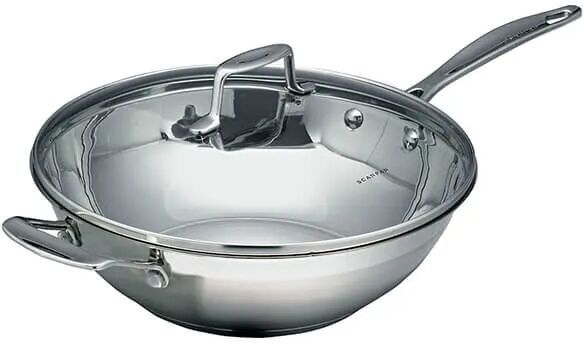
Scanpan Impact 32cm Wok with LidThe Scanpan Impact 32cm Wok with glass lid is made from high quality 18/10 stainless steel for strength and durability. Suitable for use on all heat sources (including induction), this Impact wok is also oven proof up to 260°C (including the lid). The thick 6.4mm sandwich base has an aluminium core to provide excellent heat distribution. As well as looking stylish thanks to its two-tone stainless steel finish, this Impact wok features a cast stainless steel handle to prevent transfer and a drip-free rim. An additional helper handle is provided to aid lifting a full pan. This Scanpan Impact 32cm wok has a base diameter of 16.9cm and weighs 2.57kg. Dishwasher safe, this Scanpan wok is supplied with a 10 year warranty against manufacturing defects.125,10 £*Shipping: 0,00 £Secure redirect to the provider
-
What are the effects of impact velocity and impact angle?
The impact velocity and impact angle both play a significant role in determining the outcome of a collision. A higher impact velocity generally results in more damage and deformation to the objects involved in the collision. The impact angle also affects the distribution of forces during the collision, impacting the direction and magnitude of the resulting forces. Together, these factors can determine the severity of damage, the likelihood of rebound or deflection, and the overall energy transfer during the collision. **
-
Why am I not getting beach waves?
There could be several reasons why you are not achieving beach waves. It could be due to using the wrong styling products or tools, not using enough heat or the right technique when curling your hair, or not allowing your hair to cool and set properly after styling. Additionally, the natural texture and thickness of your hair can also affect how well it holds a curl. Experimenting with different techniques and products, as well as seeking advice from a professional stylist, may help you achieve the beach waves you desire. **
-
When did researchers succeed in discovering internal ocean waves?
Researchers succeeded in discovering internal ocean waves in the 1970s. Using satellite imagery and oceanographic instruments, scientists were able to observe and measure these waves, which are caused by the interaction of tides and underwater topography. This discovery has since led to a better understanding of ocean dynamics and their impact on marine ecosystems. **
-
When did researchers manage to discover internal ocean waves?
Researchers managed to discover internal ocean waves in the mid-19th century. The first observations of internal waves were made by the British Royal Navy in the Strait of Gibraltar in the 1840s. Since then, advancements in technology and oceanographic research have allowed scientists to better understand the formation and behavior of these waves within the ocean. **
* All prices are inclusive of VAT and, if applicable, plus shipping costs. The offer information is based on the details provided by the respective shop and is updated through automated processes. Real-time updates do not occur, so deviations can occur in individual cases. ** Note: Parts of this content were created by AI.