Buy coastalescapes.eu ?
We are moving the project
coastalescapes.eu .
Are you interested in purchasing the domain
coastalescapes.eu ?
domain@kv-gmbh.de · 0541-91531010
Buy coastalescapes.eu ?
What is an interrogative pronoun?
An interrogative pronoun is a pronoun used to ask questions. These pronouns include words like "who," "whom," "whose," "what," "which," and "whose." They are used to inquire about people, things, or qualities. Interrogative pronouns are essential for forming questions and seeking information in a sentence. **
What are interrogative pronouns in German?
Interrogative pronouns in German are used to ask questions and gather information. They include pronouns such as "wer" (who), "was" (what), "wo" (where), "wann" (when), "warum" (why), and "wie" (how). These pronouns are used at the beginning of a question to inquire about specific details or seek clarification. Interrogative pronouns play a crucial role in forming questions in the German language. **

Similar search terms for Interrogative
Top-Angebote
Products related to Interrogative:
-
Inspired Finds Tropical Ocean Shell Canvas Wall Art Summer Beach Aesthetic Print 8.27x11.81in No Frame seashell SandTurn any room into a calming escape that feels like a quiet moment by the shore. This beach wall art canvas brings the soothing tones of ocean blues and sandy textures into your space, instantly creating a relaxed, vacationinspired atmosphere....40,99 $*Shipping: 0,00 $Secure redirect to the provider
-
Perfect Picks Market Dinosaur Beach Toy Set For Kids Sensory Sand And Water Play Kit orange oceanLet your childs imagination run wild with this delightful beach toy set for kids designed for endless outdoor fun. Featuring colorful dinosaurthemed pieces, this playful kit transforms ordinary sand play into an exciting prehistoric adventure....34,97 $*Shipping: 0,00 $Secure redirect to the provider
-
Toulouse Neutral Beach Waves Textured Canvas Wall ArtThe Toulouse Neutral Beach Waves Textured Canvas Wall Art is a serene addition to your home décor. This beautiful piece captures the essence of gentle beach waves with its textured design and neutral tones. Perfect for creating a calm and relaxing atmosphere, it seamlessly fits into any room, from living spaces to bedrooms. Elevate your interior with this elegant canvas art, bringing the tranquil beauty of the beach into your home. Dimensions: H120 x W80cm84,00 £*Shipping: 4,99 £Secure redirect to the provider
-
Inspired Finds Tropical Ocean Shell Canvas Wall Art Summer Beach Aesthetic Print 5.12x7.09in No Frame seashell SandTurn any room into a calming escape that feels like a quiet moment by the shore. This beach wall art canvas brings the soothing tones of ocean blues and sandy textures into your space, instantly creating a relaxed, vacationinspired atmosphere....35,99 $*Shipping: 0,00 $Secure redirect to the provider



-
What is the difference between relative pronouns and interrogative pronouns?
Relative pronouns are used to connect a dependent clause to an independent clause, providing more information about a noun in the independent clause. They include words like "who," "which," and "that." Interrogative pronouns, on the other hand, are used to ask questions and gather information. They include words like "who," "what," "which," "whom," and "whose." The main difference between the two is their function in a sentence - relative pronouns connect clauses, while interrogative pronouns are used to ask questions. **
-
Is there an interrogative word without a w at the beginning?
Yes, there is an interrogative word without a "w" at the beginning. The word "how" is an interrogative word that does not start with a "w." It is used to ask about the manner or method in which something is done. **
-
Is an interrogative sentence a main clause or a subordinate clause?
An interrogative sentence is a main clause. It is a complete sentence that can stand alone and expresses a question. It does not depend on any other clause to make sense and is therefore considered a main clause. **
-
Which interrogative pronoun are you referring to when you mention the attribute?
When mentioning the attribute, I am referring to the interrogative pronoun "which." This pronoun is used to inquire about a specific choice or selection from a group of options. It helps to narrow down the possibilities and identify a particular item or characteristic. **


How do I recognize a relative clause, a conjunctional clause, and an interrogative clause?
A relative clause typically starts with a relative pronoun (such as who, whom, whose, which, or that) and provides more information about a noun in the main clause. A conjunctional clause, on the other hand, is introduced by a conjunction (such as and, but, or because) and connects two independent clauses. An interrogative clause is a type of clause that asks a question and is typically introduced by an interrogative pronoun (such as who, what, when, where, why, or how) or an interrogative adverb (such as how, when, or where). **
How can I recognize a relative clause, a conjunctional clause, and an interrogative clause?
A relative clause is a type of dependent clause that typically starts with a relative pronoun (such as who, whom, whose, which, or that) and provides additional information about a noun in the main clause. A conjunctional clause, on the other hand, is a dependent clause that functions as an adverb, adjective, or noun in a sentence and is connected to the main clause by a conjunction (such as because, although, if, when, etc.). An interrogative clause is a type of clause that asks a question and typically begins with a question word (such as who, what, where, when, why, or how) or with a helping verb followed by the subject. **
Top-Angebote
Products related to Interrogative:
-
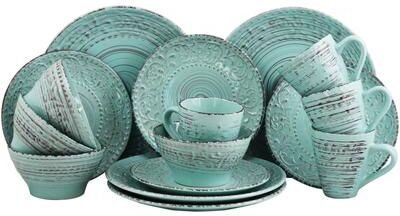
Elama Ocean Waves Turquoise 16-piece Dinnerware SetBring beachy texture to your table with the Ocean Waves dinnerware set from Elama. The turquoise stoneware set features hand-painted detailing and a sand-embossed scroll pattern. Serve up to four with the included plates, bowls, and mugs.82,39 $*Shipping: 0,00 $Secure redirect to the provider
-
Inspired Finds Tropical Ocean Shell Canvas Wall Art Summer Beach Aesthetic Print 8.27x11.81in No Frame seashell SandTurn any room into a calming escape that feels like a quiet moment by the shore. This beach wall art canvas brings the soothing tones of ocean blues and sandy textures into your space, instantly creating a relaxed, vacationinspired atmosphere....40,99 $*Shipping: 0,00 $Secure redirect to the provider
-
Perfect Picks Market Dinosaur Beach Toy Set For Kids Sensory Sand And Water Play Kit orange oceanLet your childs imagination run wild with this delightful beach toy set for kids designed for endless outdoor fun. Featuring colorful dinosaurthemed pieces, this playful kit transforms ordinary sand play into an exciting prehistoric adventure....34,97 $*Shipping: 0,00 $Secure redirect to the provider
-
What is an interrogative pronoun?
An interrogative pronoun is a pronoun used to ask questions. These pronouns include words like "who," "whom," "whose," "what," "which," and "whose." They are used to inquire about people, things, or qualities. Interrogative pronouns are essential for forming questions and seeking information in a sentence. **
-
What are interrogative pronouns in German?
Interrogative pronouns in German are used to ask questions and gather information. They include pronouns such as "wer" (who), "was" (what), "wo" (where), "wann" (when), "warum" (why), and "wie" (how). These pronouns are used at the beginning of a question to inquire about specific details or seek clarification. Interrogative pronouns play a crucial role in forming questions in the German language. **
-
What is the difference between relative pronouns and interrogative pronouns?
Relative pronouns are used to connect a dependent clause to an independent clause, providing more information about a noun in the independent clause. They include words like "who," "which," and "that." Interrogative pronouns, on the other hand, are used to ask questions and gather information. They include words like "who," "what," "which," "whom," and "whose." The main difference between the two is their function in a sentence - relative pronouns connect clauses, while interrogative pronouns are used to ask questions. **
-
Is there an interrogative word without a w at the beginning?
Yes, there is an interrogative word without a "w" at the beginning. The word "how" is an interrogative word that does not start with a "w." It is used to ask about the manner or method in which something is done. **
Similar search terms for Interrogative
-
Toulouse Neutral Beach Waves Textured Canvas Wall ArtThe Toulouse Neutral Beach Waves Textured Canvas Wall Art is a serene addition to your home décor. This beautiful piece captures the essence of gentle beach waves with its textured design and neutral tones. Perfect for creating a calm and relaxing atmosphere, it seamlessly fits into any room, from living spaces to bedrooms. Elevate your interior with this elegant canvas art, bringing the tranquil beauty of the beach into your home. Dimensions: H120 x W80cm84,00 £*Shipping: 4,99 £Secure redirect to the provider
-
Inspired Finds Tropical Ocean Shell Canvas Wall Art Summer Beach Aesthetic Print 5.12x7.09in No Frame seashell SandTurn any room into a calming escape that feels like a quiet moment by the shore. This beach wall art canvas brings the soothing tones of ocean blues and sandy textures into your space, instantly creating a relaxed, vacationinspired atmosphere....35,99 $*Shipping: 0,00 $Secure redirect to the provider
-
Inspired Finds Tropical Ocean Shell Canvas Wall Art Summer Beach Aesthetic Print 7.87x9.84in No Frame seashell SandTurn any room into a calming escape that feels like a quiet moment by the shore. This beach wall art canvas brings the soothing tones of ocean blues and sandy textures into your space, instantly creating a relaxed, vacationinspired atmosphere....39,99 $*Shipping: 0,00 $Secure redirect to the provider
-
Inspired Finds Tropical Ocean Shell Canvas Wall Art Summer Beach Aesthetic Print 15.75x19.69in No Frame seashell SandTurn any room into a calming escape that feels like a quiet moment by the shore. This beach wall art canvas brings the soothing tones of ocean blues and sandy textures into your space, instantly creating a relaxed, vacationinspired atmosphere....48,99 $*Shipping: 0,00 $Secure redirect to the provider
-
Is an interrogative sentence a main clause or a subordinate clause?
An interrogative sentence is a main clause. It is a complete sentence that can stand alone and expresses a question. It does not depend on any other clause to make sense and is therefore considered a main clause. **
-
Which interrogative pronoun are you referring to when you mention the attribute?
When mentioning the attribute, I am referring to the interrogative pronoun "which." This pronoun is used to inquire about a specific choice or selection from a group of options. It helps to narrow down the possibilities and identify a particular item or characteristic. **
-
How do I recognize a relative clause, a conjunctional clause, and an interrogative clause?
A relative clause typically starts with a relative pronoun (such as who, whom, whose, which, or that) and provides more information about a noun in the main clause. A conjunctional clause, on the other hand, is introduced by a conjunction (such as and, but, or because) and connects two independent clauses. An interrogative clause is a type of clause that asks a question and is typically introduced by an interrogative pronoun (such as who, what, when, where, why, or how) or an interrogative adverb (such as how, when, or where). **
-
How can I recognize a relative clause, a conjunctional clause, and an interrogative clause?
A relative clause is a type of dependent clause that typically starts with a relative pronoun (such as who, whom, whose, which, or that) and provides additional information about a noun in the main clause. A conjunctional clause, on the other hand, is a dependent clause that functions as an adverb, adjective, or noun in a sentence and is connected to the main clause by a conjunction (such as because, although, if, when, etc.). An interrogative clause is a type of clause that asks a question and typically begins with a question word (such as who, what, where, when, why, or how) or with a helping verb followed by the subject. **
* All prices are inclusive of VAT and, if applicable, plus shipping costs. The offer information is based on the details provided by the respective shop and is updated through automated processes. Real-time updates do not occur, so deviations can occur in individual cases. ** Note: Parts of this content were created by AI.