Buy coastalescapes.eu ?
We are moving the project
coastalescapes.eu .
Are you interested in purchasing the domain
coastalescapes.eu ?
domain@kv-gmbh.de · 0541-91531010
Buy coastalescapes.eu ?
What causes increased salivation?
Increased salivation can be caused by a variety of factors such as the sight, smell, or even the thought of food. It can also be triggered by the body's natural response to protect the mouth and throat from irritants like spicy foods or strong odors. Additionally, certain medical conditions like gastroesophageal reflux disease (GERD), oral infections, or medications can also lead to increased salivation. **
What causes sudden excessive salivation?
Sudden excessive salivation can be caused by a variety of factors, including certain medical conditions such as gastroesophageal reflux disease (GERD), infections in the mouth or throat, medication side effects, or neurological disorders. It can also be triggered by anxiety or stress. In some cases, excessive salivation may be a temporary response to a particularly flavorful or spicy meal. If sudden excessive salivation persists or is accompanied by other symptoms, it is important to consult a healthcare professional for proper evaluation and treatment. **


Similar search terms for Salivation
Top-Angebote
Products related to Salivation:
-
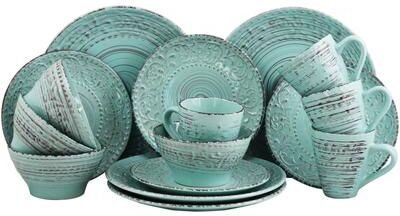
Elama Ocean Waves Turquoise 16-piece Dinnerware SetBring beachy texture to your table with the Ocean Waves dinnerware set from Elama. The turquoise stoneware set features hand-painted detailing and a sand-embossed scroll pattern. Serve up to four with the included plates, bowls, and mugs.82,39 $*Shipping: 0,00 $Secure redirect to the provider
-
Inspired Finds Tropical Ocean Shell Canvas Wall Art Summer Beach Aesthetic Print 7.87x9.84in No Frame seashell SandTurn any room into a calming escape that feels like a quiet moment by the shore. This beach wall art canvas brings the soothing tones of ocean blues and sandy textures into your space, instantly creating a relaxed, vacationinspired atmosphere....39,99 $*Shipping: 0,00 $Secure redirect to the provider


-
What are the symptoms of belching and excessive salivation?
Belching, or burping, is the release of gas from the digestive system through the mouth. It can be accompanied by symptoms such as bloating, discomfort, and a feeling of fullness in the abdomen. Excessive salivation, or hypersalivation, can present as an increased production of saliva, leading to drooling or spitting. It can be caused by various factors such as nausea, acid reflux, or certain medications. Both belching and excessive salivation can be symptoms of underlying digestive issues and should be evaluated by a healthcare professional if they persist or are accompanied by other concerning symptoms. **
-
Can increased salivation occur instead of dry mouth during a panic attack?
Yes, increased salivation can occur during a panic attack as a result of the body's fight or flight response. When the body perceives a threat, it can produce excess saliva as a way to protect the mouth and throat from potential harm. This can lead to a feeling of increased saliva in the mouth, rather than the typical symptom of dry mouth often associated with anxiety and panic attacks. **
-
How long do beach waves last?
Beach waves can last anywhere from a few hours to a couple of days, depending on your hair type and the products you use. For some people with naturally wavy or curly hair, beach waves may hold for a longer period of time. Using a good quality sea salt spray or texturizing spray can help to enhance the longevity of beach waves. Additionally, using a curling iron or wand to touch up any loose waves can help to extend the style. **
-
Why am I not getting beach waves?
There could be several reasons why you are not achieving beach waves. It could be due to using the wrong styling products or tools, not using enough heat or the right technique when curling your hair, or not allowing your hair to cool and set properly after styling. Additionally, the natural texture and thickness of your hair can also affect how well it holds a curl. Experimenting with different techniques and products, as well as seeking advice from a professional stylist, may help you achieve the beach waves you desire. **


When did researchers succeed in discovering internal ocean waves?
Researchers succeeded in discovering internal ocean waves in the 1970s. Using satellite imagery and oceanographic instruments, scientists were able to observe and measure these waves, which are caused by the interaction of tides and underwater topography. This discovery has since led to a better understanding of ocean dynamics and their impact on marine ecosystems. **
When did researchers manage to discover internal ocean waves?
Researchers managed to discover internal ocean waves in the mid-19th century. The first observations of internal waves were made by the British Royal Navy in the Strait of Gibraltar in the 1840s. Since then, advancements in technology and oceanographic research have allowed scientists to better understand the formation and behavior of these waves within the ocean. **
Top-Angebote
Products related to Salivation:
-
Elama Ocean Waves Turquoise 16-piece Dinnerware SetBring beachy texture to your table with the Ocean Waves dinnerware set from Elama. The turquoise stoneware set features hand-painted detailing and a sand-embossed scroll pattern. Serve up to four with the included plates, bowls, and mugs.82,39 $*Shipping: 0,00 $Secure redirect to the provider
-
Inspired Finds Tropical Ocean Shell Canvas Wall Art Summer Beach Aesthetic Print 7.87x9.84in No Frame seashell SandTurn any room into a calming escape that feels like a quiet moment by the shore. This beach wall art canvas brings the soothing tones of ocean blues and sandy textures into your space, instantly creating a relaxed, vacationinspired atmosphere....39,99 $*Shipping: 0,00 $Secure redirect to the provider
-
What causes increased salivation?
Increased salivation can be caused by a variety of factors such as the sight, smell, or even the thought of food. It can also be triggered by the body's natural response to protect the mouth and throat from irritants like spicy foods or strong odors. Additionally, certain medical conditions like gastroesophageal reflux disease (GERD), oral infections, or medications can also lead to increased salivation. **
-
What causes sudden excessive salivation?
Sudden excessive salivation can be caused by a variety of factors, including certain medical conditions such as gastroesophageal reflux disease (GERD), infections in the mouth or throat, medication side effects, or neurological disorders. It can also be triggered by anxiety or stress. In some cases, excessive salivation may be a temporary response to a particularly flavorful or spicy meal. If sudden excessive salivation persists or is accompanied by other symptoms, it is important to consult a healthcare professional for proper evaluation and treatment. **
-
What are the symptoms of belching and excessive salivation?
Belching, or burping, is the release of gas from the digestive system through the mouth. It can be accompanied by symptoms such as bloating, discomfort, and a feeling of fullness in the abdomen. Excessive salivation, or hypersalivation, can present as an increased production of saliva, leading to drooling or spitting. It can be caused by various factors such as nausea, acid reflux, or certain medications. Both belching and excessive salivation can be symptoms of underlying digestive issues and should be evaluated by a healthcare professional if they persist or are accompanied by other concerning symptoms. **
-
Can increased salivation occur instead of dry mouth during a panic attack?
Yes, increased salivation can occur during a panic attack as a result of the body's fight or flight response. When the body perceives a threat, it can produce excess saliva as a way to protect the mouth and throat from potential harm. This can lead to a feeling of increased saliva in the mouth, rather than the typical symptom of dry mouth often associated with anxiety and panic attacks. **
Similar search terms for Salivation
-
Inspired Finds Tropical Ocean Shell Canvas Wall Art Summer Beach Aesthetic Print 19.69x27.56in No Frame seashell SandTurn any room into a calming escape that feels like a quiet moment by the shore. This beach wall art canvas brings the soothing tones of ocean blues and sandy textures into your space, instantly creating a relaxed, vacationinspired atmosphere....54,99 $*Shipping: 0,00 $Secure redirect to the provider
-
How long do beach waves last?
Beach waves can last anywhere from a few hours to a couple of days, depending on your hair type and the products you use. For some people with naturally wavy or curly hair, beach waves may hold for a longer period of time. Using a good quality sea salt spray or texturizing spray can help to enhance the longevity of beach waves. Additionally, using a curling iron or wand to touch up any loose waves can help to extend the style. **
-
Why am I not getting beach waves?
There could be several reasons why you are not achieving beach waves. It could be due to using the wrong styling products or tools, not using enough heat or the right technique when curling your hair, or not allowing your hair to cool and set properly after styling. Additionally, the natural texture and thickness of your hair can also affect how well it holds a curl. Experimenting with different techniques and products, as well as seeking advice from a professional stylist, may help you achieve the beach waves you desire. **
-
When did researchers succeed in discovering internal ocean waves?
Researchers succeeded in discovering internal ocean waves in the 1970s. Using satellite imagery and oceanographic instruments, scientists were able to observe and measure these waves, which are caused by the interaction of tides and underwater topography. This discovery has since led to a better understanding of ocean dynamics and their impact on marine ecosystems. **
-
When did researchers manage to discover internal ocean waves?
Researchers managed to discover internal ocean waves in the mid-19th century. The first observations of internal waves were made by the British Royal Navy in the Strait of Gibraltar in the 1840s. Since then, advancements in technology and oceanographic research have allowed scientists to better understand the formation and behavior of these waves within the ocean. **
* All prices are inclusive of VAT and, if applicable, plus shipping costs. The offer information is based on the details provided by the respective shop and is updated through automated processes. Real-time updates do not occur, so deviations can occur in individual cases. ** Note: Parts of this content were created by AI.