Buy coastalescapes.eu ?
We are moving the project
coastalescapes.eu .
Are you interested in purchasing the domain
coastalescapes.eu ?
domain@kv-gmbh.de · 0541-91531010
Buy coastalescapes.eu ?
How many degrees is simmering?
Simmering is typically done at a temperature range between 185°F to 205°F (85°C to 96°C). This is below the boiling point of water, which is 212°F (100°C). Simmering allows food to cook gently and slowly, helping flavors to meld and develop without overcooking. **
At what level is simmering?
Simmering is a cooking technique where a liquid is heated to a temperature just below boiling, typically around 180-200°F (82-93°C). This is considered a low to medium heat level on a stovetop. It is often used to gently cook foods, allowing flavors to meld and develop without overcooking or boiling. **

Similar search terms for Simmering
Top-Angebote
Products related to Simmering:
-
Inspired Finds Tropical Ocean Shell Canvas Wall Art Summer Beach Aesthetic Print 8.27x11.81in No Frame seashell SandTurn any room into a calming escape that feels like a quiet moment by the shore. This beach wall art canvas brings the soothing tones of ocean blues and sandy textures into your space, instantly creating a relaxed, vacationinspired atmosphere....40,99 $*Shipping: 0,00 $Secure redirect to the provider
-
Perfect Picks Market Dinosaur Beach Toy Set For Kids Sensory Sand And Water Play Kit orange oceanLet your childs imagination run wild with this delightful beach toy set for kids designed for endless outdoor fun. Featuring colorful dinosaurthemed pieces, this playful kit transforms ordinary sand play into an exciting prehistoric adventure....34,97 $*Shipping: 0,00 $Secure redirect to the provider
-
Toulouse Neutral Beach Waves Textured Canvas Wall ArtThe Toulouse Neutral Beach Waves Textured Canvas Wall Art is a serene addition to your home décor. This beautiful piece captures the essence of gentle beach waves with its textured design and neutral tones. Perfect for creating a calm and relaxing atmosphere, it seamlessly fits into any room, from living spaces to bedrooms. Elevate your interior with this elegant canvas art, bringing the tranquil beauty of the beach into your home. Dimensions: H120 x W80cm84,00 £*Shipping: 4,99 £Secure redirect to the provider
-
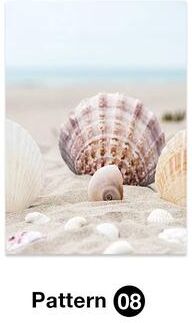
Inspired Finds Tropical Ocean Shell Canvas Wall Art Summer Beach Aesthetic Print 5.12x7.09in No Frame seashell SandTurn any room into a calming escape that feels like a quiet moment by the shore. This beach wall art canvas brings the soothing tones of ocean blues and sandy textures into your space, instantly creating a relaxed, vacationinspired atmosphere....35,99 $*Shipping: 0,00 $Secure redirect to the provider


-
What is simmering and burning?
Simmering is a cooking technique where food is cooked in liquid at a low temperature, just below the boiling point. This gentle cooking method allows flavors to meld and develop slowly. Burning, on the other hand, occurs when food is exposed to high heat for too long, causing it to char and become inedible. It is important to closely monitor the cooking process to prevent burning and achieve the desired simmering effect. **
-
What does simmering over low heat mean?
Simmering over low heat means cooking a liquid or dish at a gentle, low temperature where small bubbles occasionally break the surface. This technique helps to develop flavors slowly and evenly without boiling or scorching the ingredients. It is often used for dishes that require a longer cooking time to allow the flavors to meld together and create a rich, complex taste. **
-
What does simmering on the stove mean?
Simmering on the stove refers to cooking a liquid or food item over low heat so that it reaches a gentle boil and small bubbles appear on the surface. This method is used to cook food slowly and evenly, allowing flavors to meld together and ingredients to become tender. It is important to monitor the heat and adjust as needed to maintain a steady simmer without letting the liquid come to a full boil. **
-
Which heat setting is suitable for simmering?
The low heat setting is suitable for simmering. Simmering is a cooking technique where the liquid is heated to a temperature just below boiling, allowing small bubbles to form and gently rise to the surface. This low and gentle heat helps to cook food slowly and evenly, allowing flavors to meld and develop. It is important to avoid boiling when simmering, as boiling can cause the food to become tough or overcooked. **


Is there a difference between simmering and boiling? If so, what is it?
Yes, there is a difference between simmering and boiling. Simmering is when a liquid is heated to a temperature just below boiling, around 180-200°F (82-93°C), and small bubbles gently break the surface. It is often used for delicate foods or to develop flavors over a longer period of time. Boiling, on the other hand, is when a liquid reaches its boiling point, around 212°F (100°C), and large bubbles rapidly break the surface. It is used to cook food quickly and thoroughly. **
How long do beach waves last?
Beach waves can last anywhere from a few hours to a couple of days, depending on your hair type and the products you use. For some people with naturally wavy or curly hair, beach waves may hold for a longer period of time. Using a good quality sea salt spray or texturizing spray can help to enhance the longevity of beach waves. Additionally, using a curling iron or wand to touch up any loose waves can help to extend the style. **
Top-Angebote
Products related to Simmering:
-
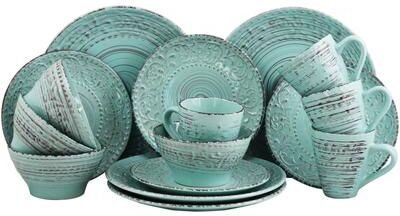
Elama Ocean Waves Turquoise 16-piece Dinnerware SetBring beachy texture to your table with the Ocean Waves dinnerware set from Elama. The turquoise stoneware set features hand-painted detailing and a sand-embossed scroll pattern. Serve up to four with the included plates, bowls, and mugs.82,39 $*Shipping: 0,00 $Secure redirect to the provider
-
Inspired Finds Tropical Ocean Shell Canvas Wall Art Summer Beach Aesthetic Print 8.27x11.81in No Frame seashell SandTurn any room into a calming escape that feels like a quiet moment by the shore. This beach wall art canvas brings the soothing tones of ocean blues and sandy textures into your space, instantly creating a relaxed, vacationinspired atmosphere....40,99 $*Shipping: 0,00 $Secure redirect to the provider
-
Perfect Picks Market Dinosaur Beach Toy Set For Kids Sensory Sand And Water Play Kit orange oceanLet your childs imagination run wild with this delightful beach toy set for kids designed for endless outdoor fun. Featuring colorful dinosaurthemed pieces, this playful kit transforms ordinary sand play into an exciting prehistoric adventure....34,97 $*Shipping: 0,00 $Secure redirect to the provider
-
How many degrees is simmering?
Simmering is typically done at a temperature range between 185°F to 205°F (85°C to 96°C). This is below the boiling point of water, which is 212°F (100°C). Simmering allows food to cook gently and slowly, helping flavors to meld and develop without overcooking. **
-
At what level is simmering?
Simmering is a cooking technique where a liquid is heated to a temperature just below boiling, typically around 180-200°F (82-93°C). This is considered a low to medium heat level on a stovetop. It is often used to gently cook foods, allowing flavors to meld and develop without overcooking or boiling. **
-
What is simmering and burning?
Simmering is a cooking technique where food is cooked in liquid at a low temperature, just below the boiling point. This gentle cooking method allows flavors to meld and develop slowly. Burning, on the other hand, occurs when food is exposed to high heat for too long, causing it to char and become inedible. It is important to closely monitor the cooking process to prevent burning and achieve the desired simmering effect. **
-
What does simmering over low heat mean?
Simmering over low heat means cooking a liquid or dish at a gentle, low temperature where small bubbles occasionally break the surface. This technique helps to develop flavors slowly and evenly without boiling or scorching the ingredients. It is often used for dishes that require a longer cooking time to allow the flavors to meld together and create a rich, complex taste. **
Similar search terms for Simmering
-
Toulouse Neutral Beach Waves Textured Canvas Wall ArtThe Toulouse Neutral Beach Waves Textured Canvas Wall Art is a serene addition to your home décor. This beautiful piece captures the essence of gentle beach waves with its textured design and neutral tones. Perfect for creating a calm and relaxing atmosphere, it seamlessly fits into any room, from living spaces to bedrooms. Elevate your interior with this elegant canvas art, bringing the tranquil beauty of the beach into your home. Dimensions: H120 x W80cm84,00 £*Shipping: 4,99 £Secure redirect to the provider
-
Inspired Finds Tropical Ocean Shell Canvas Wall Art Summer Beach Aesthetic Print 5.12x7.09in No Frame seashell SandTurn any room into a calming escape that feels like a quiet moment by the shore. This beach wall art canvas brings the soothing tones of ocean blues and sandy textures into your space, instantly creating a relaxed, vacationinspired atmosphere....35,99 $*Shipping: 0,00 $Secure redirect to the provider
-
Inspired Finds Tropical Ocean Shell Canvas Wall Art Summer Beach Aesthetic Print 7.87x9.84in No Frame seashell SandTurn any room into a calming escape that feels like a quiet moment by the shore. This beach wall art canvas brings the soothing tones of ocean blues and sandy textures into your space, instantly creating a relaxed, vacationinspired atmosphere....39,99 $*Shipping: 0,00 $Secure redirect to the provider
-
Inspired Finds Tropical Ocean Shell Canvas Wall Art Summer Beach Aesthetic Print 15.75x19.69in No Frame seashell SandTurn any room into a calming escape that feels like a quiet moment by the shore. This beach wall art canvas brings the soothing tones of ocean blues and sandy textures into your space, instantly creating a relaxed, vacationinspired atmosphere....48,99 $*Shipping: 0,00 $Secure redirect to the provider
-
What does simmering on the stove mean?
Simmering on the stove refers to cooking a liquid or food item over low heat so that it reaches a gentle boil and small bubbles appear on the surface. This method is used to cook food slowly and evenly, allowing flavors to meld together and ingredients to become tender. It is important to monitor the heat and adjust as needed to maintain a steady simmer without letting the liquid come to a full boil. **
-
Which heat setting is suitable for simmering?
The low heat setting is suitable for simmering. Simmering is a cooking technique where the liquid is heated to a temperature just below boiling, allowing small bubbles to form and gently rise to the surface. This low and gentle heat helps to cook food slowly and evenly, allowing flavors to meld and develop. It is important to avoid boiling when simmering, as boiling can cause the food to become tough or overcooked. **
-
Is there a difference between simmering and boiling? If so, what is it?
Yes, there is a difference between simmering and boiling. Simmering is when a liquid is heated to a temperature just below boiling, around 180-200°F (82-93°C), and small bubbles gently break the surface. It is often used for delicate foods or to develop flavors over a longer period of time. Boiling, on the other hand, is when a liquid reaches its boiling point, around 212°F (100°C), and large bubbles rapidly break the surface. It is used to cook food quickly and thoroughly. **
-
How long do beach waves last?
Beach waves can last anywhere from a few hours to a couple of days, depending on your hair type and the products you use. For some people with naturally wavy or curly hair, beach waves may hold for a longer period of time. Using a good quality sea salt spray or texturizing spray can help to enhance the longevity of beach waves. Additionally, using a curling iron or wand to touch up any loose waves can help to extend the style. **
* All prices are inclusive of VAT and, if applicable, plus shipping costs. The offer information is based on the details provided by the respective shop and is updated through automated processes. Real-time updates do not occur, so deviations can occur in individual cases. ** Note: Parts of this content were created by AI.