Buy coastalescapes.eu ?
We are moving the project
coastalescapes.eu .
Are you interested in purchasing the domain
coastalescapes.eu ?
domain@kv-gmbh.de · 0541-91531010
Buy coastalescapes.eu ?
Why do mesophytes have small stomata?
Mesophytes have small stomata to regulate water loss through transpiration. By having smaller stomata, mesophytes can control the amount of water vapor that escapes from their leaves, helping them to conserve water in environments where water availability may be limited. Additionally, smaller stomata reduce the risk of desiccation in dry conditions, allowing mesophytes to thrive in a variety of habitats. **
What are guard cells and stomata?
Guard cells are specialized cells found in the epidermis of plant leaves that surround and control the opening and closing of tiny pores called stomata. Stomata are small openings on the surface of leaves that allow for the exchange of gases such as carbon dioxide and oxygen, as well as the release of water vapor during transpiration. Guard cells regulate the opening and closing of stomata in response to environmental factors such as light intensity, humidity, and carbon dioxide levels to help plants maintain proper gas exchange and water balance. **


Similar search terms for Stomata
Top-Angebote
Products related to Stomata:
-
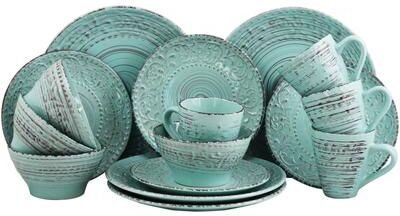
Elama Ocean Waves Turquoise 16-piece Dinnerware SetBring beachy texture to your table with the Ocean Waves dinnerware set from Elama. The turquoise stoneware set features hand-painted detailing and a sand-embossed scroll pattern. Serve up to four with the included plates, bowls, and mugs.82,39 $*Shipping: 0,00 $Secure redirect to the provider
-
Inspired Finds Tropical Ocean Shell Canvas Wall Art Summer Beach Aesthetic Print 15.75x19.69in No Frame seashell SandTurn any room into a calming escape that feels like a quiet moment by the shore. This beach wall art canvas brings the soothing tones of ocean blues and sandy textures into your space, instantly creating a relaxed, vacationinspired atmosphere....48,99 $*Shipping: 0,00 $Secure redirect to the provider
-
Perfect Picks Market Dinosaur Beach Toy Set For Kids Sensory Sand And Water Play Kit orange oceanLet your childs imagination run wild with this delightful beach toy set for kids designed for endless outdoor fun. Featuring colorful dinosaurthemed pieces, this playful kit transforms ordinary sand play into an exciting prehistoric adventure....34,97 $*Shipping: 0,00 $Secure redirect to the provider



-
Why do stomata close at midday?
Stomata close at midday to prevent excessive water loss through transpiration. During the hottest part of the day, the plant can lose a significant amount of water through open stomata, which can lead to dehydration and wilting. By closing the stomata, the plant can conserve water and maintain its turgidity, allowing it to survive the heat and dry conditions. Additionally, closing the stomata can also help to regulate the exchange of gases, such as carbon dioxide and oxygen, within the plant. **
-
What are stomata in plants in biology?
Stomata are small pores found on the surface of plant leaves and stems that are responsible for gas exchange. They allow for the uptake of carbon dioxide for photosynthesis and the release of oxygen and water vapor. Stomata are surrounded by specialized cells called guard cells, which control the opening and closing of the pores to regulate the exchange of gases and the loss of water through transpiration. This process is crucial for the survival and growth of plants. **
-
Why are the stomata located underneath the leaf?
Stomata are located underneath the leaf to reduce water loss through transpiration. Placing the stomata on the underside of the leaf helps to minimize exposure to direct sunlight and wind, which can increase water loss. Additionally, having the stomata on the underside of the leaf helps to protect them from potential damage and blockage by dust and other particles. This positioning also allows for better control of gas exchange and helps to maintain the internal water balance of the plant. **
-
Are dry plants hydrophilic and do they have sunken stomata?
Dry plants are not hydrophilic, as they do not have a strong affinity for water. In fact, they often have adaptations to conserve water, such as waxy cuticles and reduced stomata. Additionally, dry plants may have sunken stomata, which helps to reduce water loss by creating a barrier between the stomata and the external environment. These adaptations are important for the survival of dry plants in arid environments. **


Why do aquatic plants have their stomata on top, moist plants on top, adaptable plants on the bottom, and dry plants have sunken stomata?
Aquatic plants have their stomata on top to facilitate gas exchange with the surrounding water. Moist plants have stomata on top to prevent excessive water loss and maintain a moist environment for photosynthesis. Adaptable plants have stomata on the bottom to regulate water loss and gas exchange based on environmental conditions. Dry plants have sunken stomata to reduce water loss through evaporation and protect the stomata from drying out in arid conditions. **
Why do water plants have their stomata on top, moist plants on top, adaptable plants on the bottom, and dry plants have sunken stomata?
Water plants have their stomata on top to prevent water loss and allow for efficient gas exchange with the atmosphere. Moist plants have their stomata on top to take advantage of the moist air and reduce water loss. Adaptable plants have their stomata on the bottom to minimize water loss and adapt to varying environmental conditions. Dry plants have sunken stomata to reduce water loss and protect the stomata from drying out in arid conditions. Each type of plant has evolved to have stomata placement that best suits their specific environmental needs. **
Top-Angebote
Products related to Stomata:
-
Elama Ocean Waves Turquoise 16-piece Dinnerware SetBring beachy texture to your table with the Ocean Waves dinnerware set from Elama. The turquoise stoneware set features hand-painted detailing and a sand-embossed scroll pattern. Serve up to four with the included plates, bowls, and mugs.82,39 $*Shipping: 0,00 $Secure redirect to the provider
-
Inspired Finds Tropical Ocean Shell Canvas Wall Art Summer Beach Aesthetic Print 15.75x19.69in No Frame seashell SandTurn any room into a calming escape that feels like a quiet moment by the shore. This beach wall art canvas brings the soothing tones of ocean blues and sandy textures into your space, instantly creating a relaxed, vacationinspired atmosphere....48,99 $*Shipping: 0,00 $Secure redirect to the provider
-
Why do mesophytes have small stomata?
Mesophytes have small stomata to regulate water loss through transpiration. By having smaller stomata, mesophytes can control the amount of water vapor that escapes from their leaves, helping them to conserve water in environments where water availability may be limited. Additionally, smaller stomata reduce the risk of desiccation in dry conditions, allowing mesophytes to thrive in a variety of habitats. **
-
What are guard cells and stomata?
Guard cells are specialized cells found in the epidermis of plant leaves that surround and control the opening and closing of tiny pores called stomata. Stomata are small openings on the surface of leaves that allow for the exchange of gases such as carbon dioxide and oxygen, as well as the release of water vapor during transpiration. Guard cells regulate the opening and closing of stomata in response to environmental factors such as light intensity, humidity, and carbon dioxide levels to help plants maintain proper gas exchange and water balance. **
-
Why do stomata close at midday?
Stomata close at midday to prevent excessive water loss through transpiration. During the hottest part of the day, the plant can lose a significant amount of water through open stomata, which can lead to dehydration and wilting. By closing the stomata, the plant can conserve water and maintain its turgidity, allowing it to survive the heat and dry conditions. Additionally, closing the stomata can also help to regulate the exchange of gases, such as carbon dioxide and oxygen, within the plant. **
-
What are stomata in plants in biology?
Stomata are small pores found on the surface of plant leaves and stems that are responsible for gas exchange. They allow for the uptake of carbon dioxide for photosynthesis and the release of oxygen and water vapor. Stomata are surrounded by specialized cells called guard cells, which control the opening and closing of the pores to regulate the exchange of gases and the loss of water through transpiration. This process is crucial for the survival and growth of plants. **
Similar search terms for Stomata
-
Perfect Picks Market Dinosaur Beach Toy Set For Kids Sensory Sand And Water Play Kit orange oceanLet your childs imagination run wild with this delightful beach toy set for kids designed for endless outdoor fun. Featuring colorful dinosaurthemed pieces, this playful kit transforms ordinary sand play into an exciting prehistoric adventure....34,97 $*Shipping: 0,00 $Secure redirect to the provider
-
Inspired Finds Tropical Ocean Shell Canvas Wall Art Summer Beach Aesthetic Print 7.87x9.84in No Frame seashell SandTurn any room into a calming escape that feels like a quiet moment by the shore. This beach wall art canvas brings the soothing tones of ocean blues and sandy textures into your space, instantly creating a relaxed, vacationinspired atmosphere....39,99 $*Shipping: 0,00 $Secure redirect to the provider
-
Why are the stomata located underneath the leaf?
Stomata are located underneath the leaf to reduce water loss through transpiration. Placing the stomata on the underside of the leaf helps to minimize exposure to direct sunlight and wind, which can increase water loss. Additionally, having the stomata on the underside of the leaf helps to protect them from potential damage and blockage by dust and other particles. This positioning also allows for better control of gas exchange and helps to maintain the internal water balance of the plant. **
-
Are dry plants hydrophilic and do they have sunken stomata?
Dry plants are not hydrophilic, as they do not have a strong affinity for water. In fact, they often have adaptations to conserve water, such as waxy cuticles and reduced stomata. Additionally, dry plants may have sunken stomata, which helps to reduce water loss by creating a barrier between the stomata and the external environment. These adaptations are important for the survival of dry plants in arid environments. **
-
Why do aquatic plants have their stomata on top, moist plants on top, adaptable plants on the bottom, and dry plants have sunken stomata?
Aquatic plants have their stomata on top to facilitate gas exchange with the surrounding water. Moist plants have stomata on top to prevent excessive water loss and maintain a moist environment for photosynthesis. Adaptable plants have stomata on the bottom to regulate water loss and gas exchange based on environmental conditions. Dry plants have sunken stomata to reduce water loss through evaporation and protect the stomata from drying out in arid conditions. **
-
Why do water plants have their stomata on top, moist plants on top, adaptable plants on the bottom, and dry plants have sunken stomata?
Water plants have their stomata on top to prevent water loss and allow for efficient gas exchange with the atmosphere. Moist plants have their stomata on top to take advantage of the moist air and reduce water loss. Adaptable plants have their stomata on the bottom to minimize water loss and adapt to varying environmental conditions. Dry plants have sunken stomata to reduce water loss and protect the stomata from drying out in arid conditions. Each type of plant has evolved to have stomata placement that best suits their specific environmental needs. **
* All prices are inclusive of VAT and, if applicable, plus shipping costs. The offer information is based on the details provided by the respective shop and is updated through automated processes. Real-time updates do not occur, so deviations can occur in individual cases. ** Note: Parts of this content were created by AI.